Can Metal Screw Improve Structural Stability?
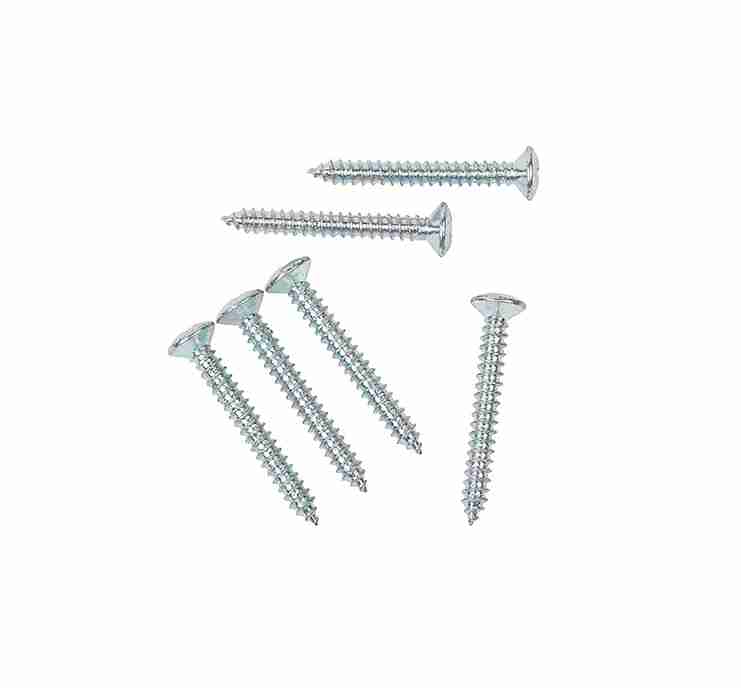
The basic structure of a metal screw includes a threaded shaft, a head designed for tools, and a pointed or flat tip. When the metal screw rotates during installation, the threads cut or engage with the material around it. This motion gradually pulls the screw deeper, creating tension that holds the connected pieces firmly together.
Engineers often select metal screw fasteners because they allow easy assembly and disassembly. In mechanical systems that require periodic maintenance, the ability to remove a metal screw without damaging surrounding materials becomes very valuable. Technicians can loosen the screw, replace the worn component, and reinstall the same metal screw or a new one.
Automotive manufacturing uses large quantities of metal screw parts during vehicle assembly. Panels, interior components, brackets, and mechanical covers all rely on metal screw connections. These screws help ensure that different sections of a vehicle remain aligned during operation.
Industrial equipment also relies heavily on the metal screw. Machines that process materials, move mechanical parts, or operate production lines often contain numerous fastening points. A carefully installed metal screw prevents vibration from loosening structural components and helps maintain stable operation.
Home improvement projects frequently involve the use of a metal screw as well. When people install shelves, repair cabinets, or assemble equipment, they often rely on metal screw fasteners. A screwdriver or power drill allows the metal screw to enter wood, plastic, or thin metal surfaces quickly.
Environmental conditions sometimes influence the type of metal screw selected for a project. Outdoor structures such as fences or metal railings may require screws with protective coatings that reduce corrosion. In humid locations, stainless steel metal screw options can provide longer service life.
Design engineers also pay attention to the head style of each metal screw. Phillips heads, hex heads, and socket heads allow different tools to apply torque during installation. Choosing the correct head type ensures that the metal screw can be tightened efficiently without slipping.
Thread patterns also affect how a metal screw interacts with different materials. Coarse threads provide stronger grip in softer materials such as wood, while fine threads create precise connections in metal assemblies. These variations allow the metal screw to adapt to many environments and engineering requirements.
Although people rarely notice them, metal screw components quietly support the structures and machines used every day. Their simple design, combined with dependable mechanical performance, allows engineers and builders to connect materials efficiently. In this way, the metal screw continues to serve as a fundamental element in modern construction and manufacturing.
https://www.wanyufasteners.com/product/screws/