Student Discrimination
https://theeducationlawyers.co....m/service/protecting
Gefällt mir
Kommentar
Teilen
Student Discrimination
https://theeducationlawyers.co....m/service/protecting


Durability and Versatility of Water-Based Imitation Microfiber
Water-based imitation microfiber is a high-performance textile designed to replicate natural suede or leather while reducing environmental impact. Produced through water-based processes, it minimizes VOC emissions and supports sustainable manufacturing. The dense fiber structure offers softness, flexibility, and abrasion resistance, making it suitable for clothing, footwear, furniture, and automotive interiors.
The microfiber maintains its shape and tactile appeal even under frequent use. Its uniform texture supports coatings such as water or stain resistance, improving functionality for products exposed to daily wear. Automotive seats, dashboards, and panels benefit from its combination of visual appeal and resilience. In fashion and footwear, it offers comfort, lightweight flexibility, and long-lasting wear.
Customization is possible through varying fiber density, thickness, and backing material. These options allow manufacturers to achieve specific aesthetic, tactile, and performance characteristics for each product category. Water-based microfiber combines sustainability with practical performance, making it a reliable choice for multiple industries.
In summary, water-based imitation microfiber delivers a balance of durability, softness, and eco-friendly production. Its versatile applications in consumer products, fashion, and automotive interiors make it a preferred material for designers seeking both quality and sustainability.



Each nation offers its own unique adventures, yet together they weave an inspiring journey through ancient empires, tropical beaches, bustling street markets, and serene spiritual sanctuaries. Whether you are a history buff, a food enthusiast, or an eco-adventure seeker, this curated travel guide highlights why these must-visit Asian destinations deserve a top spot on your bucket list.
Vietnam eVisa – https://www.evisagov.vn/official/en-us/
Turkey eVisa – https://evisa.govt.tl/official/en-us/
Sri Lanka eVisa –https://www.govt.sl/en-us/
Cambodia eVisa – https://www.evisagov.co/official/en/
Laos evisa - https://www.evisagov.la/official/en-us/
Azerbaijan evisa- https://evisa.govt.az/official/en-us
#turkeyevisa #vietnamevisa #srilankaevisa #cambodiaevisa #laosevisa #azerbaijanevisa


Located in Canada, The Woods Cannabis is where you can purchase rolling papers and rolling accessories. Premium hemp rolling papers, unbleached rolling papers, filter tips, and entire rolling kits are all available for purchase here. The cannabis accessories that we offer are made to be of high quality, consistent, and easy to use, regardless of whether you are a novice roller or an experienced aficionado. For more information about The Woods – premium rolling supplies visit https://thewoodscannabis.ca/pr....oduct-category/acces

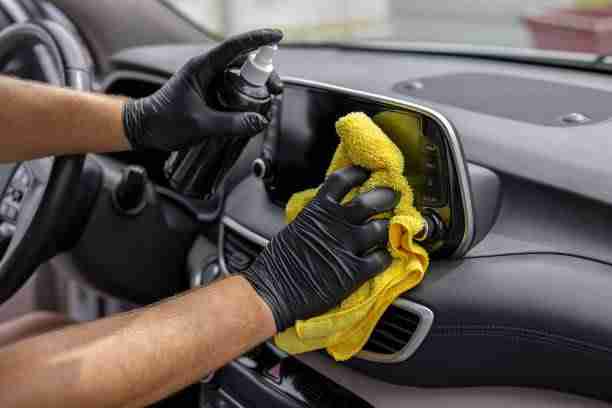
Find the Nearest Car Wash for Quick Cleaning
Looking for the Nearest Car Wash? Enjoy premium mobile cleaning at your doorstep with trusted professionals. With wash2u.my, save time and experience an affordable, hassle-free shine that keeps your car looking brand new.
Visit Us :-https://wash2u.my


Mobile gaming in Pakistan has changed rapidly over the last few years. Today, most users prefer Android applications that are easy to understand, work smoothly on budget smartphones, and support local payment systems. Instead of complicated platforms, https://apknew.com.pk/dcc6-game/