Phthalate-free Vinyl Flooring Market: Market Competition Analysis
The phthalate-free vinyl flooring market is becoming increasingly competitive as manufacturers and suppliers strive to capitalize on growing demand driven by sustainability, health awareness, and urbanization. Understanding the competitive landscape is essential for new entrants and existing players to identify opportunities, address challenges, and develop effective growth strategies.
Key Market Players
The market is dominated by both global and regional players who focus on product innovation, sustainability, and brand reputation. Leading companies invest heavily in research and development, marketing, and distribution networks to differentiate their offerings. Smaller and emerging players often compete on niche products, localized production, and targeted marketing strategies.
Global players leverage economies of scale, brand recognition, and extensive distribution to capture large segments, while regional manufacturers focus on affordability, customization, and regional preferences to expand market share.
Product Differentiation
Product differentiation is a crucial competitive factor in this market. Companies emphasize features such as:
Phthalate-free and low-VOC formulations for safety and sustainability
Scratch, water, and stain resistance for durability
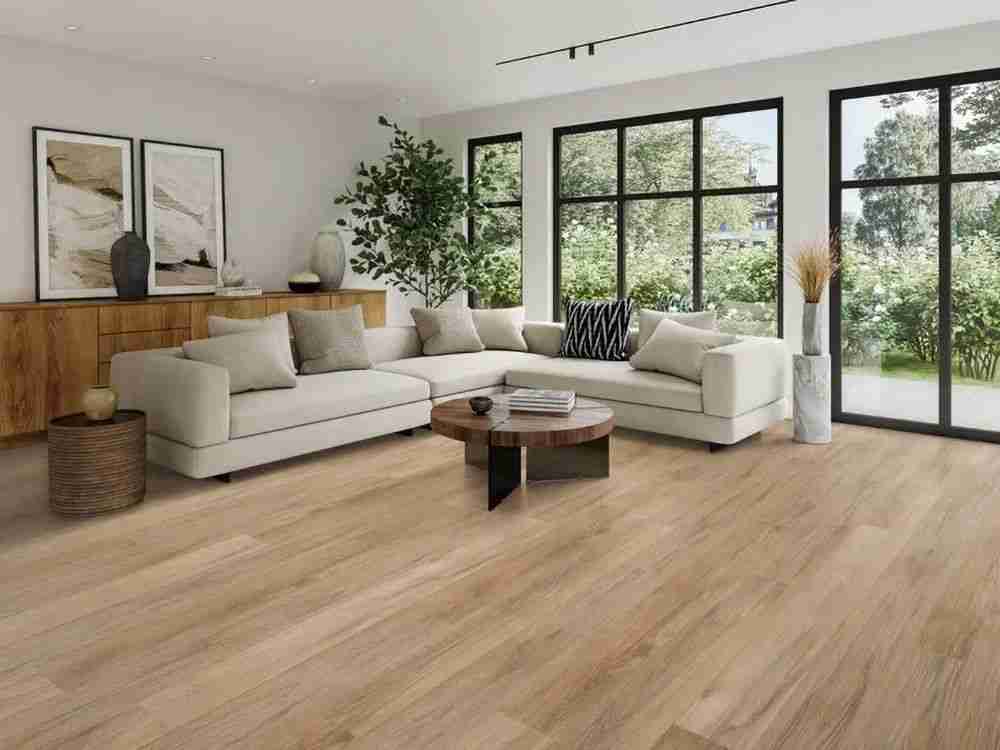
Realistic wood, stone, or tile textures for aesthetic appeal
Easy installation and maintenance
Differentiated products help companies stand out in a crowded market, attract health-conscious consumers, and meet the needs of both residential and commercial applications.
Pricing Strategies
Pricing plays a significant role in competition. While phthalate-free vinyl flooring is often positioned as a premium product due to its health and environmental benefits, companies employ strategies such as competitive pricing, discounts, and bulk offers to attract cost-sensitive customers.
Regional players in emerging markets often compete on price, offering affordable alternatives without compromising safety and basic quality. In contrast, global brands focus on premium positioning with a strong emphasis on innovation and sustainability.
Marketing and Brand Visibility
Marketing initiatives are vital for gaining a competitive edge. Companies use digital campaigns, social media, influencer endorsements, and virtual showrooms to increase visibility and educate consumers about the benefits of phthalate-free vinyl flooring.
Trade shows, exhibitions, and industry events provide platforms for networking, collaboration, and showcasing innovations. Strong brand recognition and credibility help companies influence purchasing decisions and build long-term loyalty.
Strategic Alliances and Partnerships
Partnerships with architects, interior designers, construction companies, and real estate developers provide competitive advantages. These alliances enhance market penetration, improve product awareness, and generate trust among buyers.
Collaboration with distributors and e-commerce platforms expands reach and ensures product availability across urban and semi-urban markets, giving companies a significant edge over competitors who rely solely on traditional retail channels.
Regional Competition
Competition varies across regions due to differences in consumer awareness, economic conditions, and construction activity.
North America & Europe: Strong demand for sustainable and low-VOC products; competition is driven by innovation, brand reputation, and certifications.
Asia-Pacific: Rapid urbanization and construction growth; price-sensitive markets see competition from local players.
Middle East & Latin America: Emerging demand for eco-friendly solutions; competition focuses on product availability and regional marketing.
Regional players leverage local knowledge, cost advantages, and targeted campaigns to compete with global brands, while international players focus on premium offerings and technological innovations.
Technological Advantage
Companies investing in technological advancements gain a competitive edge. Innovations such as AR/VR visualization, digital customization, enhanced durability, and eco-friendly materials differentiate products and attract modern consumers.
Manufacturers who fail to adopt technology risk losing market share to more innovative competitors. Technological differentiation also helps in commercial applications, where performance, aesthetics, and sustainability are critical.
Barriers for New Entrants
New entrants face challenges such as high production costs, regulatory compliance, and brand recognition. Competing with established players requires investment in product innovation, marketing, distribution, and sustainability certifications.
However, niche opportunities exist for small players targeting specialized applications, affordable alternatives, or localized markets with less competition. Strategic partnerships and digital marketing can help new entrants gain visibility and credibility.
Conclusion
The phthalate-free vinyl flooring market is highly competitive, driven by product differentiation, pricing strategies, technological innovation, strategic partnerships, and brand visibility. Companies that effectively leverage these factors can achieve market leadership, capture emerging opportunities, and sustain growth.
Understanding regional differences, consumer preferences, and emerging trends is critical for navigating the competitive landscape. Continuous innovation, sustainability focus, and strategic collaborations remain essential for success in this evolving market.
Visit: https://www.pristinemarketinsi....ghts.com/phthalate-f
#phthalatefreevinylflooring
#vinylflooringmarket
#marketcompetitionanalysis
#sustainablebuilding
#healthyinteriors
#ecofriendlyflooring