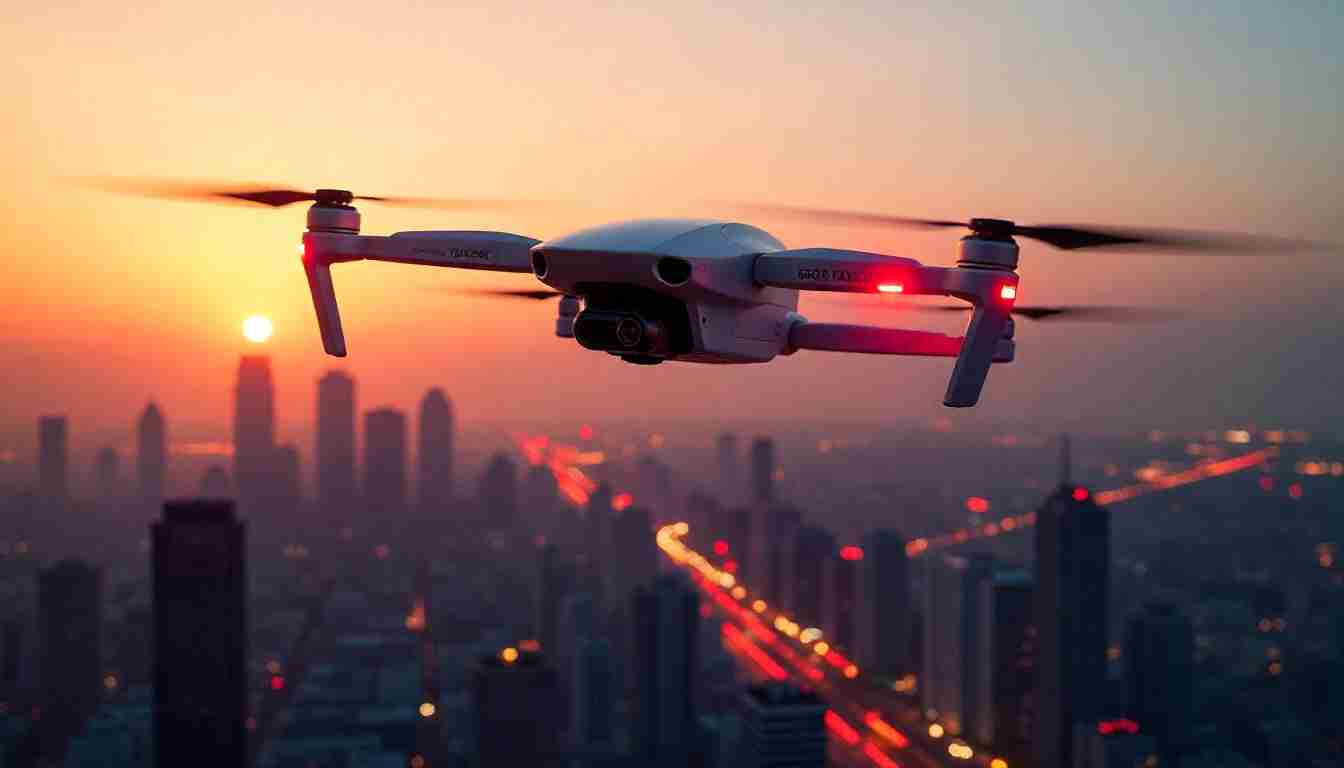
Global Drone Taxi Market 2024-2033 Trends, Growth, and Regional Analysis
The Global Drone Taxi Market is witnessing unprecedented growth, driven by rapid technological advancements and increasing urban congestion. As cities continue to expand and traditional transportation networks face capacity constraints, drone taxis emerge as a transformative solution, promising faster, efficient, and environmentally friendly urban travel. The integration of autonomous aerial vehicles into the public transportation ecosystem has become a focal point for innovators and investors alike.
Drone taxis are redefining mobility by offering a unique blend of speed, accessibility, and operational efficiency. These autonomous or semi-autonomous aerial vehicles can navigate congested urban areas with ease, reducing travel times significantly. The global market is poised for substantial growth as governments and private enterprises actively invest in research, development, and pilot programs to bring these futuristic vehicles into mainstream use.
The market’s expansion is also fueled by the growing demand for sustainable transportation solutions. Unlike conventional vehicles that rely on fossil fuels, drone taxis primarily utilize electric propulsion systems, aligning with global initiatives to reduce carbon emissions. As consumers and policymakers increasingly prioritize green mobility, the adoption of drone taxis is expected to accelerate across metropolitan regions worldwide.
Market Dynamics
Drivers
Urban Congestion – Rising traffic density in major cities has highlighted the need for innovative transport alternatives. Drone taxis provide an aerial solution that bypasses traditional road networks, offering swift and uninterrupted travel.
Technological Advancements – Breakthroughs in autonomous navigation, battery efficiency, and AI-driven flight management systems are enabling safer and more reliable drone operations.
Government Support – Policy frameworks in several regions support the integration of electric vertical take-off and landing (eVTOL) vehicles into public transportation, further stimulating market growth.
Restraints
Despite significant opportunities, the market faces challenges such as regulatory complexities, public acceptance, and high initial investment costs. Safety concerns and air traffic management also pose hurdles that manufacturers must address to ensure widespread adoption.
Opportunities
The market offers immense potential for expansion through partnerships between drone manufacturers, ride-hailing platforms, and city planners. Innovative business models, including subscription-based or on-demand drone taxi services, are likely to shape the industry’s future trajectory.
Market Forecast
The Global Drone Taxi Market is projected to reach USD 102.2 million in 2024 and grow at a compound annual growth rate (CAGR) of 14.0% until 2033, reaching a value of USD 332.5 million. This robust growth indicates strong investor confidence and a rising acceptance of drone taxis as a viable urban transportation mode.
Segmentation Analysis
Drone taxis are categorized based on propulsion type, vehicle type, and application.
Propulsion Type: Electric propulsion dominates due to its sustainability and efficiency advantages.
Vehicle Type: Multi-rotor drones are widely preferred for urban air mobility, whereas fixed-wing variants are more suitable for intercity travel.
Application: Commercial passenger transport remains the largest segment, with logistics and emergency services gradually gaining traction.
Key Market Trends
Integration with Smart Cities: Drone taxi services are being incorporated into smart city initiatives to optimize urban mobility.
AI and Machine Learning Adoption: Advanced algorithms improve navigation, flight safety, and predictive maintenance.
Collaborations and Partnerships: Strategic alliances between technology providers, aerospace companies, and ride-hailing services are accelerating market penetration.
Download a Complimentary PDF Sample Report: https://dimensionmarketresearc....h.com/report/drone-t
Regional Analysis
North America
The North American region is expected to dominate the drone taxi market in 2024, accounting for 45.1% of the market revenue. This leadership is largely attributed to the region’s advanced technological landscape, well-developed infrastructure, and early adoption of aerial mobility solutions. The United States, in particular, is a hub for innovation, pilot programs, and commercial drone operations.
Europe
Europe shows strong potential due to supportive regulatory frameworks and significant investments in sustainable urban transport. Countries like Germany, France, and the Netherlands are leading initiatives for eVTOL testing and deployment.
Asia-Pacific
The Asia-Pacific market is expanding rapidly, driven by densely populated urban centers and increasing investments in smart city projects. Nations such as China, Japan, and South Korea are emerging as key players in the drone taxi ecosystem.
Rest of the World
Other regions, including Latin America and the Middle East, are gradually embracing drone taxis, focusing on luxury transport, emergency services, and cargo delivery solutions.
Competitive Landscape
Key players in the drone taxi market are focusing on technological innovation, strategic partnerships, and pilot projects. Companies are investing heavily in R&D to enhance safety, battery life, and flight efficiency. The competitive landscape emphasizes collaboration between aerospace firms, software developers, and urban mobility providers to accelerate commercialization.
Strategic Initiatives
Research and Development: Continuous innovation in autonomous systems, energy storage, and navigation technology.
Partnerships and Alliances: Collaborative efforts with city authorities and transportation agencies to integrate drone taxis into public transport networks.
Market Expansion: Focus on emerging economies to tap into growing urban mobility needs.
FAQs
1. What is a drone taxi?
A drone taxi is an autonomous or semi-autonomous aerial vehicle designed to transport passengers or cargo over short to medium distances, primarily within urban environments.
2. How is the drone taxi market performing globally?
The market is expected to grow from USD 102.2 million in 2024 to USD 332.5 million by 2033, at a CAGR of 14.0%.
3. Which region dominates the drone taxi market?
North America leads the market, contributing 45.1% of global revenue in 2024 due to its advanced technological infrastructure and early adoption of aerial mobility solutions.
4. What are the main challenges facing the drone taxi market?
Key challenges include regulatory approvals, public acceptance, air traffic management, and high initial investment costs.
5. What are the major trends in the drone taxi industry?
Significant trends include AI integration for autonomous flight, smart city collaborations, and partnerships between drone manufacturers and ride-hailing services.
Key Insights and Conclusion
The Global Drone Taxi Market is set to transform urban mobility by providing faster, greener, and more efficient transport solutions. Technological advancements, supportive regulations, and rising urban congestion are primary drivers of market growth. North America is currently leading, with Europe and Asia-Pacific emerging as strong contenders. Despite challenges related to safety, regulation, and infrastructure, strategic collaborations and continuous innovation promise a bright future for the drone taxi ecosystem.
Investors and stakeholders focusing on this market can expect substantial growth opportunities, particularly in electric propulsion technologies, AI-driven navigation, and smart city integrations. The industry is not just a futuristic concept—it is rapidly becoming a mainstream component of urban transport solutions, paving the way for safer, faster, and more sustainable mobility worldwide.
Purchase the report for comprehensive details: https://dimensionmarketresearc....h.com/checkout/drone