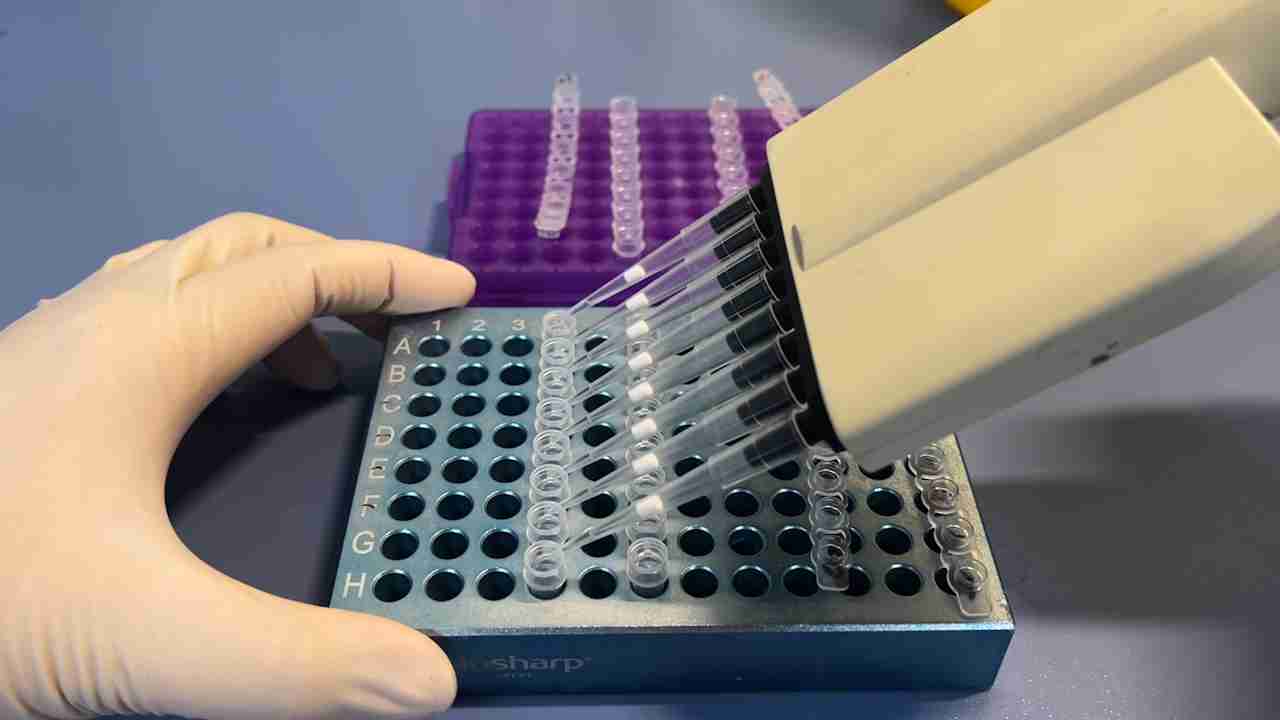
**Array Instruments Market Demand Highlights Problem Solving Shift In Array Instruments Uses And Efficiency**
The pace of modern laboratories is changing faster than most decision makers expected. Behind this shift lies a growing pressure to improve precision while reducing turnaround time in complex testing environments. In this evolving scenario, array instruments market demand is becoming a central focus for organizations trying to scale diagnostics and research efficiency without compromising accuracy.
What is often overlooked is how deeply this demand is tied to the need for automation in multi sample analysis. Laboratories are no longer satisfied with single point measurements when they can process large data sets simultaneously. This shift is quietly reshaping procurement strategies and pushing institutions to rethink how analytical systems are integrated into daily workflows.
**Array Instruments Market Growth Drivers**
The momentum behind adoption is strongly influenced by technological convergence and increasing reliance on high throughput systems. One of the most important forces shaping array instruments market growth drivers is the integration of advanced sensing technologies that enable faster and more reliable detection across biological and chemical samples.
Organizations are also responding to rising operational complexity by prioritizing systems that reduce manual intervention. This is where demand trends for array instrumentation in biotechnology labs become particularly important, as biotech firms increasingly rely on scalable platforms for protein analysis, gene expression studies, and molecular screening. The ability to process multiple data points simultaneously is now seen as a competitive advantage rather than a technical upgrade.
Another major driver is the growing emphasis on reproducibility in experimental results. Institutions want systems that minimize variability while maximizing throughput. As a result, procurement teams are evaluating not just performance metrics but also long term operational consistency and ease of integration with existing digital infrastructures.
**Array Instruments In Clinical Diagnostics Applications**
Clinical environments are experiencing a parallel transformation where speed and accuracy directly influence patient outcomes. Array instruments in clinical diagnostics applications are increasingly used to support early detection models and multiplex testing approaches that reduce diagnostic delays.
Hospitals and diagnostic centers are investing in platforms that can handle multiple biomarkers in a single run, which significantly improves workflow efficiency. This is directly connected to the future of array instruments market adoption in research labs, where similar technologies are being adapted for translational research and clinical validation studies.
The expansion of personalized medicine is further accelerating adoption. Researchers require tools that can analyze complex biological patterns at scale, and array based systems are becoming essential for this purpose. At the same time, key factors influencing array instruments market demand include cost efficiency, data integration capability, and adaptability to evolving research protocols.
In addition, increasing collaboration between academic institutions and healthcare organizations is creating a continuous feedback loop that refines how these instruments are deployed. This is leading to more standardized usage models and improved reliability across different testing environments.
As laboratories continue to evolve toward data driven ecosystems, array based technologies are expected to play a defining role in shaping analytical precision and operational speed. The trajectory suggests a market that is not only expanding but also fundamentally redefining how scientific discovery is executed, leaving organizations with a clear imperative to adapt or risk falling behind in analytical capability. Learn more: https://www.pristinemarketinsi....ghts.com/array-instr
#arrayinstruments #arrayinstrumentmarket #laboratoryautomation
#biotechanalysis #diagnostictechnology