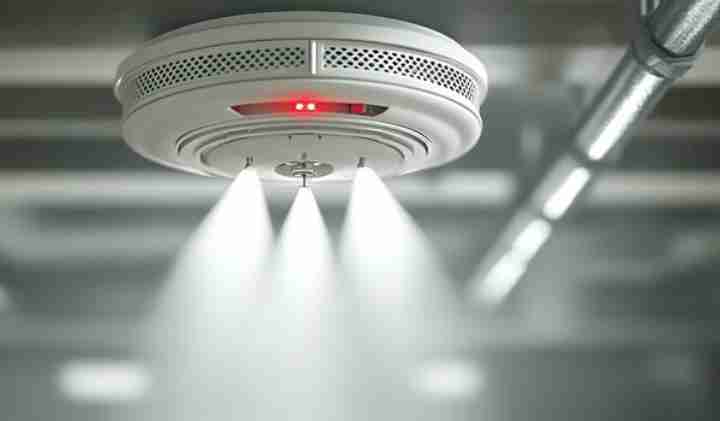
Fire Detection Market Overview Driven by Smart Technology Adoption and Safety Regulations Expansion
The fire detection market plays a critical role in safeguarding lives, infrastructure, and assets across residential, commercial, and industrial environments. As urbanization accelerates and infrastructure becomes more complex, the need for advanced fire safety systems has intensified. Fire detection systems are no longer limited to basic smoke alarms; they now incorporate intelligent sensors, connectivity features, and automated response mechanisms. The market is evolving rapidly, driven by technological innovation, stricter safety regulations, and increasing awareness about fire hazards.
Learn More:- https://www.pristinemarketinsi....ghts.com/fire-detect
Growing Importance of Fire Safety Systems
Fire incidents continue to pose significant risks worldwide, leading to property damage, operational disruptions, and loss of life. As a result, organizations and governments are prioritizing early detection and rapid response systems. Fire detection solutions help identify potential fire hazards at an early stage, enabling timely intervention.
The growing emphasis on workplace safety standards, building codes, and insurance requirements has further strengthened the adoption of fire detection systems. In addition, high-density urban living and the expansion of industrial zones have increased the vulnerability to fire-related incidents, boosting demand for reliable detection solutions.
Market Drivers Shaping Growth
Several factors are driving the expansion of the fire detection market. One of the primary drivers is the rise in construction activities, particularly in emerging economies. As smart cities and modern infrastructure projects expand, fire safety integration has become a mandatory requirement.
Technological advancements are another major driver. Modern fire detection systems incorporate artificial intelligence, machine learning, and IoT-based connectivity. These features enhance accuracy, reduce false alarms, and enable remote monitoring.
Additionally, regulatory frameworks across various countries mandate the installation of fire safety systems in commercial and residential buildings. Compliance with these regulations has significantly increased product adoption.
The growing awareness among consumers regarding safety and emergency preparedness also contributes to market growth. Homeowners, businesses, and institutions are increasingly investing in advanced fire detection technologies to minimize risk.
Technological Advancements in Fire Detection
The fire detection industry has undergone significant transformation with the integration of smart technologies. Traditional smoke detectors are being replaced or enhanced by multi-sensor systems capable of detecting smoke, heat, gas, and flame simultaneously.
Wireless fire detection systems are gaining popularity due to ease of installation and scalability. These systems eliminate the need for extensive wiring, making them ideal for retrofitting older buildings.
Artificial intelligence is also playing a transformative role. AI-enabled systems can analyze environmental data in real time and differentiate between actual fire events and false triggers such as steam or dust. This reduces unnecessary alarms and improves reliability.
Integration with building management systems and smart home ecosystems further enhances functionality. Users can receive real-time alerts on mobile devices, enabling quicker response times even when they are off-site.
Market Segmentation Overview
The fire detection market can be broadly segmented based on product type, application, and end-user.
Product-wise, the market includes smoke detectors, heat detectors, flame detectors, and multi-sensor systems. Smoke detectors remain the most widely used, while multi-sensor systems are witnessing rapid adoption due to their accuracy.
By application, fire detection systems are used in residential buildings, commercial spaces, industrial facilities, and public infrastructure. Commercial applications such as offices, malls, and hospitals represent a significant share due to strict compliance requirements.
End-users include construction companies, facility management firms, government institutions, and private homeowners. Industrial sectors such as oil and gas, manufacturing, and energy are also major adopters due to high fire risk environments.
Regional Outlook
The fire detection market shows strong growth across multiple regions, though adoption patterns vary.
Developed regions demonstrate high penetration of advanced fire detection systems due to stringent safety regulations and well-established infrastructure. Retrofitting and system upgrades are common in these markets.
Emerging economies are witnessing rapid growth driven by urban development, industrialization, and increasing construction activities. Governments in these regions are implementing stricter building safety codes, encouraging widespread adoption.
Asia-Pacific stands out as a key growth region due to large-scale infrastructure development and increasing awareness of fire safety. Meanwhile, regions with mature infrastructure continue to focus on upgrading existing systems with smart technologies.
Challenges in the Market
Despite strong growth prospects, the fire detection market faces several challenges. One of the primary concerns is the high installation and maintenance cost of advanced systems. Small businesses and residential users may find it difficult to invest in sophisticated solutions.
False alarms remain another persistent issue. Environmental factors such as dust, humidity, or cooking smoke can trigger unnecessary alerts, leading to inconvenience and reduced trust in the system.
Lack of awareness in certain regions also limits adoption. In some developing areas, fire safety is not prioritized until regulatory enforcement becomes strict.
Cybersecurity risks associated with connected fire detection systems are emerging as a concern. As systems become more integrated with digital networks, protecting them from unauthorized access becomes essential.
Opportunities for Future Growth
The future of the fire detection market is filled with opportunities, particularly in smart technology integration. The expansion of smart homes and smart cities presents a significant growth avenue.
Demand for wireless and battery-operated systems is expected to increase due to their flexibility and ease of deployment. Similarly, predictive analytics and AI-driven systems will play a larger role in preventing fire incidents before they occur.
Expansion into underserved markets offers another opportunity. As awareness improves and regulations strengthen, adoption in developing regions is expected to rise significantly.
Customization of fire detection systems for specific industries such as healthcare, aviation, and energy also presents growth potential. Each of these sectors requires specialized solutions tailored to unique risk environments.
Future Outlook
The fire detection market is expected to evolve into a highly intelligent and integrated ecosystem. Systems will become more autonomous, capable of not only detecting fire but also initiating preventive actions such as activating suppression systems or controlling ventilation.
The shift toward interconnected safety ecosystems will redefine how fire protection is managed. Fire detection will increasingly be part of broader building automation systems, ensuring seamless coordination between multiple safety mechanisms.
Sustainability will also influence product development. Energy-efficient and environmentally friendly systems will gain importance as organizations prioritize green building certifications.
Overall, the fire detection market is set for steady expansion, driven by innovation, regulation, and increasing safety awareness.