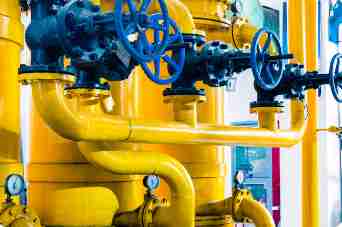
Industrial Valve Market Sees Shift Toward Hydrogen Ready Materials and Sustainable Designs
For over a century, the industrial valve has occupied a humble yet critical role in the infrastructure of modern civilization. Acting as the circulatory system’s gatekeepers for pipelines in oil refineries, water treatment plants, and chemical processing facilities, these mechanical devices have traditionally been defined by brute force metallurgy and manual operation. However, the sector is currently undergoing a profound transformation. The modern industrial valve is no longer just a flow regulator; it is becoming a connected, intelligent, and predictive asset. This shift is driven by the convergence of material science, digitalization, and an urgent global push for operational efficiency and emissions reduction.
The Rise of Smart Valve Positioning
One of the most significant innovations reshaping the market is the evolution of the smart positioner. In the past, valve positioning was a purely mechanical function—a technician turning a handwheel or a pneumatic signal pushing a diaphragm. Today, digital valve positioners have integrated microprocessors that continuously monitor stroke movement, seat friction, and supply pressure.
These devices do not simply open or close a valve; they communicate. Using protocols like HART, Foundation Fieldbus, or increasingly, industrial Ethernet, these positioners send real-time data to distributed control systems. Operators can now diagnose a valve’s health from a central control room, predicting a sticking stem or worn packing long before a leak occurs. This transition from reactive maintenance to predictive maintenance represents a massive leap in uptime and safety, particularly in upstream oil and gas applications where unplanned downtime can cost millions per day.
Learn More:- https://www.pristinemarketinsi....ghts.com/industrial-