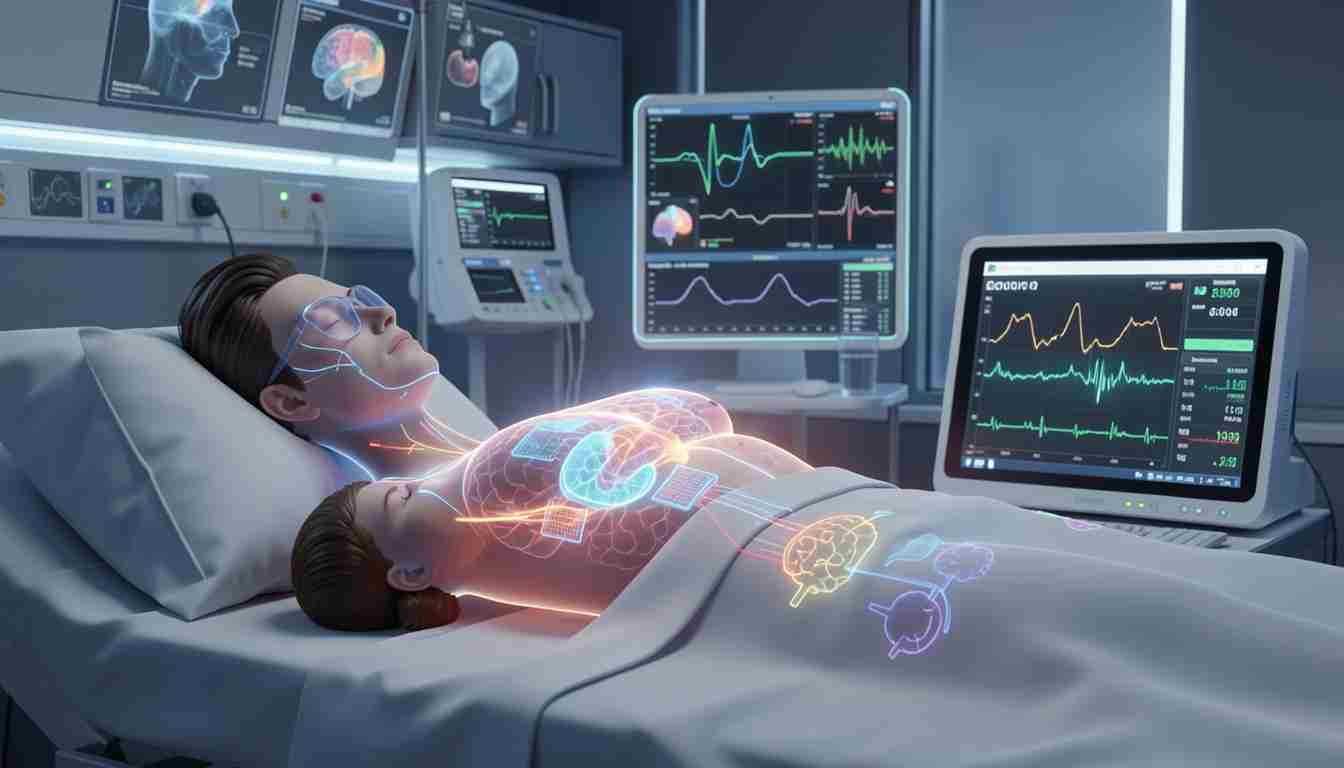
Global Medical Sensor Market Size, Share, Trends & Forecast to 2033
The Global Medical Sensor Market is witnessing remarkable momentum as healthcare systems worldwide increasingly adopt digital monitoring technologies. Medical sensors play a critical role in modern diagnostics, patient monitoring, and therapeutic applications by enabling real-time data collection and improved clinical decision-making. With healthcare shifting toward preventive and personalized care, the demand for advanced sensing technologies continues to rise rapidly.
Medical sensors are widely used across hospitals, home healthcare, wearable devices, and remote patient monitoring systems. Their ability to provide accurate physiological measurements—such as temperature, pressure, glucose levels, and heart rate—has transformed patient management. Continuous innovation in microelectronics, wireless connectivity, and miniaturization is further accelerating market expansion.
Market Size and Growth Outlook
The Global Medical Sensor Market is expected to reach a value of USD 53.8 billion by the end of 2024, and it is further anticipated to reach USD 273.7 billion by 2033, expanding at an impressive CAGR of 19.8% during the forecast period.
This strong growth trajectory reflects the increasing reliance on sensor-driven healthcare solutions. The integration of sensors into wearable devices, implantable systems, and remote monitoring platforms is reshaping how patient data is captured and analyzed. Additionally, the expansion of telemedicine and home-based care models is significantly boosting sensor demand.
Several technological breakthroughs—such as flexible sensors, biosensors, and AI-enabled monitoring systems—are expected to unlock new revenue streams. As healthcare providers seek cost-effective and efficient patient management tools, medical sensors are becoming indispensable across clinical and non-clinical settings.
Key Market Drivers
Rising Prevalence of Chronic Diseases
Chronic conditions such as diabetes, cardiovascular disorders, and respiratory illnesses are increasing globally. These conditions require continuous monitoring, creating sustained demand for medical sensors. Glucose monitoring sensors, ECG sensors, and blood pressure sensors are particularly benefiting from this trend.
Growth of Wearable Healthcare Devices
Wearable health technology has moved beyond fitness tracking into clinical-grade monitoring. Smartwatches, fitness bands, and medical wearables now incorporate sophisticated sensors capable of detecting early signs of health deterioration. This shift toward consumer-driven healthcare is significantly expanding the Medical Sensor Market.
Expansion of Remote Patient Monitoring
Healthcare systems are increasingly adopting remote monitoring solutions to reduce hospital burden and improve patient outcomes. Medical sensors form the backbone of these systems by enabling real-time physiological tracking outside traditional clinical environments.
Technological Advancements in Sensor Design
Continuous innovation in MEMS (Micro-Electro-Mechanical Systems), nanotechnology, and wireless communication is improving sensor accuracy, miniaturization, and energy efficiency. Flexible and implantable sensors are opening new possibilities in minimally invasive healthcare.
Rising Healthcare Expenditure
Governments and private healthcare providers are investing heavily in digital health infrastructure. Increased spending on advanced diagnostic equipment and smart monitoring systems is fueling demand for medical sensors worldwide.
Market Restraints
Despite strong growth prospects, the Medical Sensor Market faces certain challenges.
High development and regulatory costs remain significant barriers, particularly for smaller manufacturers. Medical sensors must comply with strict regulatory standards, which can increase time-to-market and development expenses.
Data privacy and cybersecurity concerns also pose risks. As sensors increasingly connect to cloud platforms and hospital networks, ensuring patient data security becomes critical.
Integration complexities with legacy healthcare systems may slow adoption in some regions. Healthcare providers often require interoperability between new sensor technologies and existing medical infrastructure.
Download a Complimentary PDF Sample Report:
https://dimensionmarketresearc....h.com/request-sample
Emerging Opportunities
Integration with Artificial Intelligence
AI-powered analytics combined with sensor-generated data is transforming predictive healthcare. Smart sensors capable of feeding real-time data into AI algorithms enable early disease detection and personalized treatment plans.
Growth in Home Healthcare
The shift toward home-based care is creating substantial opportunities for compact and user-friendly medical sensors. Aging populations and rising healthcare costs are encouraging patients and providers to adopt home monitoring solutions.
Development of Non-Invasive Sensors
Non-invasive monitoring technologies—such as optical glucose sensors and wearable biosensors—are gaining traction. These innovations improve patient comfort and compliance, making them highly attractive in both clinical and consumer markets.
Expansion in Emerging Economies
Developing regions are investing heavily in healthcare modernization. Improving hospital infrastructure and increasing awareness about preventive care are expected to generate new growth avenues.
Market Segmentation
By Sensor Type
The Medical Sensor Market includes a diverse range of sensor technologies:
Temperature Sensors
Pressure Sensors
Glucose Sensors
ECG Sensors
Blood Oxygen Sensors
Image Sensors
Biosensors
Among these, biosensors and glucose sensors are experiencing particularly strong demand due to the rising prevalence of diabetes and the growing focus on continuous health monitoring.
By Application
Key application areas include:
Patient monitoring
Diagnostics
Therapeutics
Imaging
Fitness and wellness monitoring
Implantable devices
Patient monitoring remains the dominant segment, driven by the widespread adoption of continuous monitoring systems in hospitals and home care environments.
By End User
Hospitals and clinics
Home healthcare
Ambulatory surgical centers
Diagnostic laboratories
Fitness and wellness centers
Hospitals currently account for the largest share, but home healthcare is expected to grow at the fastest pace due to remote monitoring trends.
Competitive Landscape Overview
The Medical Sensor Market is highly competitive and innovation-driven. Companies are focusing on:
Miniaturization of sensor components
Improving accuracy and reliability
Wireless and Bluetooth-enabled solutions
Integration with AI and cloud platforms
Development of flexible and wearable sensors
Strategic partnerships between medical device manufacturers and technology firms are becoming increasingly common. Product launches, mergers, and investments in R&D remain key competitive strategies.
Future Trends Shaping the Market
Several transformative trends are expected to define the future of the Medical Sensor Market:
Smart Wearable Ecosystems: Wearables will evolve into clinical-grade monitoring tools capable of continuous multi-parameter tracking.
Implantable Sensors: Long-term implantable devices for cardiac, neurological, and metabolic monitoring will gain traction.
Flexible and Skin-Adhesive Sensors: These will improve patient comfort and enable continuous monitoring in daily life.
AI-Driven Predictive Monitoring: Sensors combined with machine learning will enable early detection of health deterioration.
5G-Enabled Remote Monitoring: Faster connectivity will support real-time transmission of high-volume physiological data.
Summary of Key Insights
The Global Medical Sensor Market is on a powerful growth trajectory, projected to expand from USD 53.8 billion in 2024 to USD 273.7 billion by 2033 at a CAGR of 19.8%. The market is being driven by rising chronic disease prevalence, rapid adoption of wearable healthcare devices, and the expansion of remote patient monitoring.
North America currently dominates with over 35% revenue share, supported by advanced healthcare infrastructure and strong technology adoption. Meanwhile, Asia-Pacific is poised for the fastest growth due to expanding healthcare access and increasing digital health investments.
Technological innovation—particularly in AI integration, flexible sensors, and non-invasive monitoring—will continue to reshape the competitive landscape. Despite challenges such as regulatory hurdles and data security concerns, the long-term outlook for the Medical Sensor Market remains highly promising as healthcare systems worldwide move toward smarter, connected, and patient-centric care models.
Purchase the report for comprehensive details :
https://dimensionmarketresearc....h.com/checkout/medic