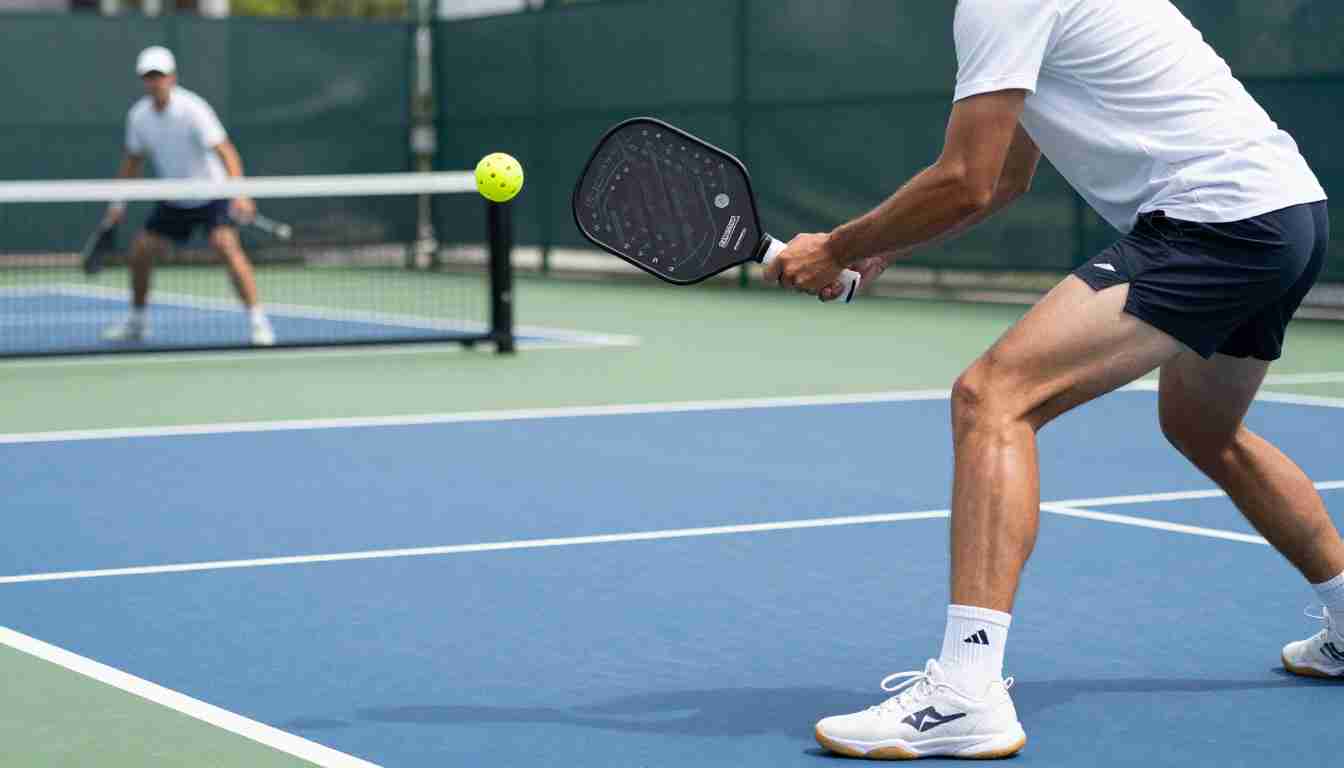
Global Pickleball Equipment Market Size, Share & Growth Forecast to 2034
The Global Pickleball Equipment Market is witnessing remarkable expansion as the sport rapidly transitions from a niche recreational activity into a mainstream global phenomenon. Driven by increasing participation across age groups, rising investments in sports infrastructure, and growing awareness of fitness-oriented leisure activities, the market is poised for sustained growth. The surge in community leagues, professional tournaments, and school-level adoption is fueling strong demand for paddles, balls, nets, footwear, and related accessories.
According to recent market projections, the Global Pickleball Equipment Market is expected to reach USD 79.0 billion in 2025 and grow at a compound annual growth rate (CAGR) of 10.2% through 2034, ultimately reaching USD 188.9 billion. This strong trajectory reflects the sport’s expanding footprint across recreational, amateur, and professional segments.
Market Overview
The pickleball equipment industry encompasses a wide range of products designed to support gameplay across different skill levels and environments. These include:
Paddles
Balls (indoor and outdoor)
Nets and court systems
Apparel and footwear
Accessories and training aids
Among these, paddles account for the largest revenue share due to frequent replacement cycles and continuous product innovation. Manufacturers are focusing on lightweight composite materials, carbon fiber surfaces, and ergonomic grip designs to improve player performance.
The market is also benefiting from the growing commercialization of pickleball. Professional tournaments, sponsorship deals, and media coverage are elevating the sport’s profile, encouraging both amateur participation and premium equipment purchases.
Key Market Drivers
Rising Global Participation
One of the primary growth engines is the rapid increase in pickleball participation worldwide. Community centers, retirement communities, schools, and sports clubs are actively promoting the sport due to its inclusivity and minimal space requirements.
Key participation trends include:
Strong adoption among seniors seeking low-impact fitness
Increasing interest from millennials and Gen Z players
Expansion of school and college pickleball programs
Growth of corporate and recreational leagues
Expansion of Pickleball Infrastructure
The construction of dedicated pickleball courts and multi-use sports facilities is significantly boosting equipment demand. Municipal investments and private club expansions are creating new opportunities for manufacturers and retailers.
Important infrastructure trends:
Conversion of tennis courts into pickleball courts
Development of indoor pickleball arenas
Community recreation upgrades
Inclusion in school sports facilities
Product Innovation and Premiumization
Equipment brands are heavily investing in research and development to differentiate their offerings. Innovations in paddle core materials, surface textures, and vibration dampening technologies are encouraging players to upgrade equipment more frequently.
Emerging innovation areas include:
Carbon fiber paddle faces
Honeycomb polymer cores
Noise-reduction ball designs
Smart paddles with performance tracking
Market Restraints
Despite strong momentum, the market faces several challenges.
Limited Awareness in Emerging Regions
While pickleball is booming in North America, awareness remains relatively low in parts of Asia, Africa, and Latin America. This limits immediate market penetration and requires continued promotional efforts.
Competition from Established Racquet Sports
Tennis, badminton, and squash still dominate many sports markets. Facilities and players may be slow to transition without targeted marketing and infrastructure investment.
Price Sensitivity in Developing Markets
Premium pickleball equipment can be expensive, which may restrict adoption in price-sensitive regions. Manufacturers must balance innovation with affordability to capture broader audiences.
Download a Complimentary PDF Sample Report:
https://dimensionmarketresearc....h.com/request-sample
Emerging Opportunities
Youth Engagement Programs
Historically associated with older adults, pickleball is now gaining traction among younger players. Youth-focused programs present a major growth opportunity for equipment manufacturers.
Potential benefits include:
Long-term customer lifecycle value
Growth in competitive leagues
Expansion of school sports adoption
Increased demand for entry-level gear
E-commerce and Direct-to-Consumer Sales
Online retail channels are transforming how pickleball equipment reaches consumers. Digital platforms enable brands to educate buyers, offer customization, and reach underserved regions.
Key e-commerce advantages:
Wider geographic reach
Lower distribution costs
Personalized product offerings
Stronger brand engagement
Professionalization of the Sport
The emergence of professional pickleball tours and televised events is elevating the sport’s credibility. This is driving demand for high-performance equipment and branded merchandise.
Product Segment Analysis
Paddles
Paddles represent the largest and fastest-evolving segment. Continuous innovation in materials and design is encouraging repeat purchases.
Key paddle trends:
Lightweight composite construction
Enhanced grip ergonomics
Aerodynamic edge guards
Customizable paddle surfaces
Balls
Pickleball balls differ for indoor and outdoor play, creating recurring demand. Durability and consistent bounce performance are critical purchasing factors.
Nets and Court Equipment
As more facilities add pickleball courts, demand for portable and permanent net systems is rising. Modular court kits are gaining popularity among schools and recreational centers.
Apparel and Footwear
Specialized pickleball shoes and moisture-wicking apparel are emerging as high-growth categories. Brands are designing footwear specifically for the sport’s lateral movement patterns.
Distribution Channel Insights
Offline Retail
Traditional sporting goods stores continue to dominate sales, particularly for first-time buyers who prefer in-store guidance.
Online Retail
E-commerce is the fastest-growing channel, driven by convenience, competitive pricing, and wider product availability.
Specialty Sports Stores
Dedicated pickleball pro shops are emerging in high-participation regions, offering premium equipment and expert advice.
Competitive Landscape
The market is becoming increasingly competitive as established sporting goods companies and niche pickleball brands expand their portfolios. Key competitive strategies include:
Product innovation
Strategic partnerships
Sponsorship of professional players
Expansion of direct-to-consumer channels
Geographic market entry initiatives
Companies are also focusing on sustainability by introducing eco-friendly materials and recyclable packaging.
Future Market Trends
Looking ahead to 2034, several transformative trends are expected to shape the pickleball equipment market.
Smart and Connected Equipment
Technology integration will enable performance tracking, swing analysis, and player analytics through smart paddles and wearable devices.
Sustainable Manufacturing
Eco-conscious consumers are pushing brands toward biodegradable balls, recycled paddle materials, and sustainable packaging.
Customization and Personalization
Consumers increasingly prefer personalized equipment. Custom paddle graphics, grip sizes, and weight configurations will become more common.
Institutional Adoption
Schools, universities, and corporate wellness programs are expected to adopt pickleball more broadly, driving bulk equipment purchases.
Summary of Key Insights
The Global Pickleball Equipment Market is entering a high-growth phase fueled by expanding global participation, increasing infrastructure investment, and continuous product innovation. With the market expected to grow from USD 79.0 billion in 2025 to USD 188.9 billion by 2034, manufacturers and retailers have significant opportunities ahead.
North America will remain the dominant region in the near term, but Europe and Asia-Pacific are poised for strong future growth. Companies that focus on innovation, affordability, digital sales channels, and youth engagement will be best positioned to capture emerging demand.
As pickleball continues its transition into a mainstream global sport, the equipment market is set to experience sustained momentum, making it an attractive space for investors, manufacturers, and sports industry stakeholders alike.
Purchase the report for comprehensive details :
https://dimensionmarketresearc....h.com/checkout/pickl