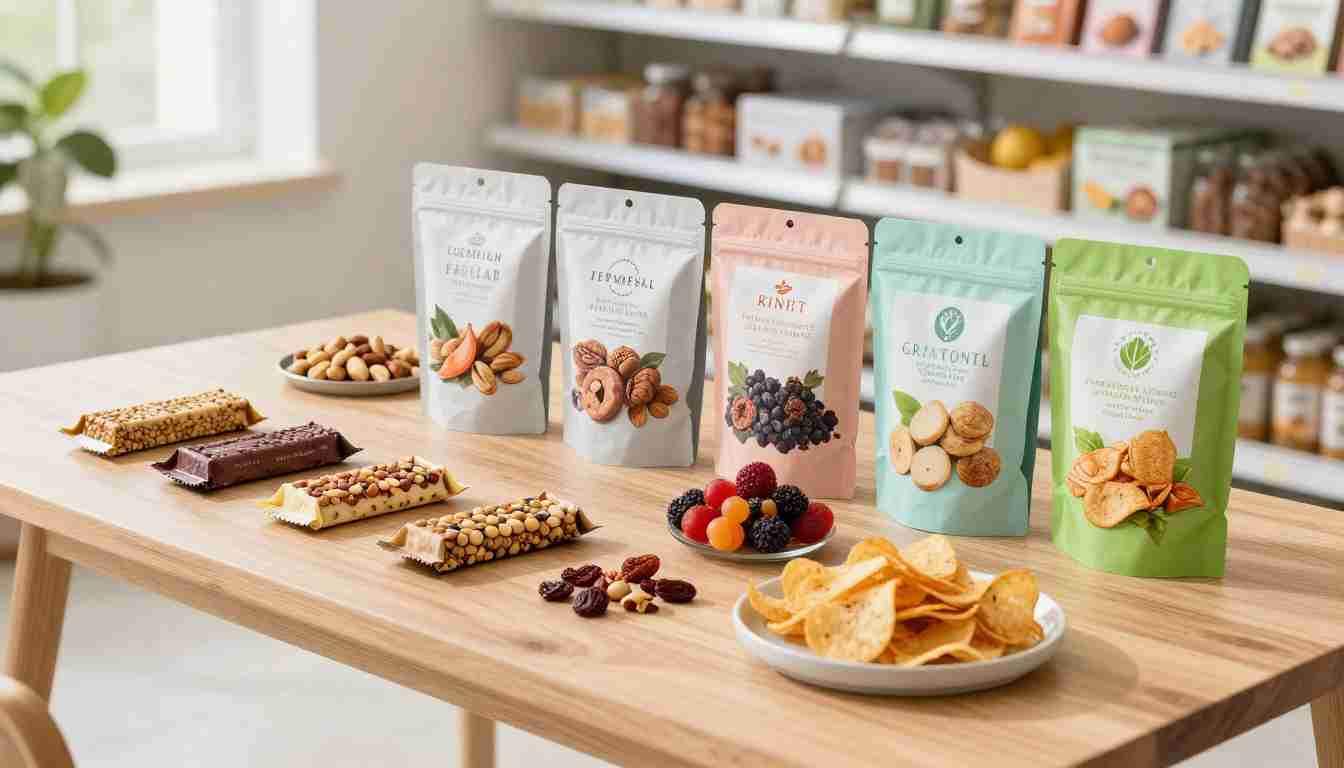
Global Healthy Snack Market Size, Share & Growth Forecast to 2033
The Global Healthy Snack Market is experiencing remarkable momentum as consumers worldwide shift toward nutritious, convenient, and functional food choices. Increasing awareness about lifestyle-related diseases, coupled with evolving dietary preferences, has significantly influenced purchasing behavior. As modern consumers prioritize wellness without compromising on taste and convenience, the market for better-for-you snacks continues to expand across demographics and regions.
Healthy snacks have evolved far beyond traditional low-calorie options. Today’s offerings include protein bars, baked chips, nuts, seeds, fruit-based snacks, and plant-based alternatives that cater to diverse dietary needs such as vegan, gluten-free, keto, and organic lifestyles. This diversification is helping brands attract health-conscious millennials, working professionals, and fitness enthusiasts alike.
Market Overview and Size Outlook
The Global Healthy Snack Market is projected to reach USD 107.1 billion in 2024 and is expected to grow at a compound annual growth rate (CAGR) of 6.4% through 2033, ultimately reaching USD 187.7 billion. This steady expansion reflects a structural shift in consumer eating habits rather than a short-term trend.
Several macroeconomic and lifestyle factors are reinforcing this growth:
Rising prevalence of obesity and chronic diseases
Increasing disposable income in emerging economies
Expansion of modern retail and e-commerce channels
Growing demand for functional and fortified foods
Strong marketing around wellness and active lifestyles
As a result, healthy snacks are transitioning from niche health-store products to mainstream supermarket staples.
Key Market Drivers
Growing Health Consciousness
One of the strongest catalysts for the Healthy Snack Market is the global rise in health awareness. Consumers are reading nutrition labels more carefully and actively avoiding products high in sugar, artificial additives, and trans fats.
Key behavior shifts include:
Preference for low-sugar and low-calorie snacks
Demand for high-protein and high-fiber options
Increasing interest in natural and organic ingredients
Focus on immune-boosting and functional foods
This health-first mindset is reshaping product innovation across the snack industry.
Busy Lifestyles and On-the-Go Consumption
Modern work schedules and urban living have increased reliance on convenient food formats. Healthy snacks provide a quick nutritional solution for:
Office workers
Students
Fitness enthusiasts
Travelers
Manufacturers are responding with portable packaging, single-serve portions, and resealable packs that align with fast-paced lifestyles.
Expansion of Plant-Based and Clean-Label Trends
The plant-based movement has significantly influenced the Healthy Snack Market. Consumers increasingly prefer snacks made with recognizable, minimally processed ingredients.
Popular clean-label trends include:
Plant-based protein snacks
Non-GMO certifications
Gluten-free formulations
Organic product lines
No artificial preservatives
Brands that emphasize transparency and simplicity are gaining a competitive edge.
Growth of E-Commerce and Digital Retail
Online grocery platforms and direct-to-consumer models are accelerating market penetration. Digital channels allow brands to:
Reach niche health communities
Launch new products quickly
Offer subscription snack boxes
Provide personalized nutrition options
The convenience of doorstep delivery is particularly appealing to younger consumers.
Download a Complimentary PDF Sample Report:
https://dimensionmarketresearc....h.com/request-sample
Market Restraints and Challenges
Despite strong growth prospects, the market faces several challenges.
Premium Pricing Pressure
Healthy snacks often carry higher price points due to premium ingredients and specialized processing. Price-sensitive consumers in developing regions may still prefer conventional snacks.
Taste Perception Barriers
While formulations have improved significantly, some consumers still perceive healthy snacks as less flavorful compared to traditional alternatives. Continuous innovation in taste and texture remains critical.
Supply Chain and Ingredient Volatility
Dependence on natural and organic raw materials exposes manufacturers to:
Seasonal fluctuations
Higher procurement costs
Quality consistency challenges
Managing these risks is essential for sustained profitability.
Emerging Opportunities
Functional and Fortified Snacks
The line between snacks and supplements is blurring. Functional snacks enriched with vitamins, minerals, probiotics, and adaptogens are gaining traction.
High-growth segments include:
Protein-rich snacks
Gut-health products
Energy-boosting bars
Immunity-support snacks
Personalization and Targeted Nutrition
Brands are increasingly tailoring products for specific consumer groups:
Kids’ healthy snacks
Women-focused nutrition
Sports nutrition snacks
Senior-friendly formulations
Personalized nutrition platforms could become a major differentiator over the next decade.
Sustainable and Eco-Friendly Packaging
Sustainability is becoming a purchasing criterion. Companies investing in biodegradable, recyclable, or minimal packaging are strengthening brand perception among environmentally conscious buyers.
Market Segmentation Analysis
By Product Type
The Healthy Snack Market includes several high-performing categories:
1. Nuts, Seeds, and Trail Mixes
These remain popular due to their natural protein and healthy fat content.
2. Fruit-Based Snacks
Dried fruits, fruit bars, and freeze-dried products appeal to consumers seeking natural sweetness.
3. Protein Bars and Energy Bars
Widely adopted by fitness enthusiasts and busy professionals.
4. Baked and Low-Fat Snacks
Healthier alternatives to fried chips continue gaining shelf space.
5. Dairy-Based Snacks
Includes yogurt-based snacks and cheese portions.
Among these, protein bars and plant-based snacks are expected to witness the fastest growth.
By Distribution Channel
Supermarkets and Hypermarkets
Remain the dominant sales channel due to product visibility and variety.
Convenience Stores
Benefit from impulse purchases and on-the-go consumption.
Online Retail
Fastest-growing segment driven by subscription models and digital marketing.
Specialty Health Stores
Important for premium and niche products.
Competitive Landscape
The Healthy Snack Market is moderately fragmented, with both multinational food companies and emerging health-focused startups competing aggressively.
Key competitive strategies include:
Product innovation and flavor expansion
Clean-label and organic certifications
Strategic partnerships and acquisitions
Expansion into emerging markets
Influencer and digital marketing campaigns
Startups often lead in innovation, while established players leverage strong distribution networks.
Future Trends Shaping the Healthy Snack Market
Rise of High-Protein Snacking
Protein continues to dominate consumer interest. Expect growth in:
Plant protein snacks
High-protein chips
Protein-enriched baked goods
Sugar Reduction and Natural Sweeteners
Manufacturers are increasingly replacing refined sugar with:
Stevia
Monk fruit
Dates and fruit concentrates
Hybrid Snack Formats
Innovation is blurring category lines, such as:
Snack-meal replacements
Dessert-inspired healthy snacks
Savory protein bites
AI and Data-Driven Product Development
Brands are using consumer data and AI to:
Predict flavor trends
Optimize formulations
Personalize marketing
This technological integration will accelerate product innovation cycles.
Key Insights Summary
The Global Healthy Snack Market is on a robust growth path, projected to expand from USD 107.1 billion in 2024 to USD 187.7 billion by 2033 at a CAGR of 6.4%. The shift toward preventive healthcare, clean eating, and convenient nutrition continues to reshape consumer behavior worldwide.
Major takeaways:
Health consciousness and busy lifestyles are primary growth drivers.
Protein-rich, plant-based, and functional snacks are leading innovation.
North America currently dominates, while Asia-Pacific shows the fastest growth potential.
Premium pricing and taste perception remain key challenges.
Sustainability, personalization, and digital retail will define the next phase of market evolution.
As consumers increasingly view snacks as part of their wellness routine rather than indulgence, the Healthy Snack Market is expected to remain one of the most dynamic segments in the global food industry over the coming decade.
Purchase the report for comprehensive details :
https://dimensionmarketresearc....h.com/checkout/healt