What is hyperglycemia?
Introduction to Hyperglycemia
Hyperglycemia is a medical term derived from two words—‘Hyper’ meaning excessive or more than normal, and ‘Glycemia’ referring to the presence of glucose in the blood. In simple terms, hyperglycemia indicates an abnormally high level of glucose circulating in the bloodstream. It is commonly associated with diabetes but can occur in various other conditions as well. Persistent hyperglycemia, if left unmanaged, can lead to serious complications affecting multiple organs and systems in the body. Understanding the root cause and managing blood sugar levels is crucial to maintaining overall health.
Understanding Blood Glucose Ranges: What You Need to Know
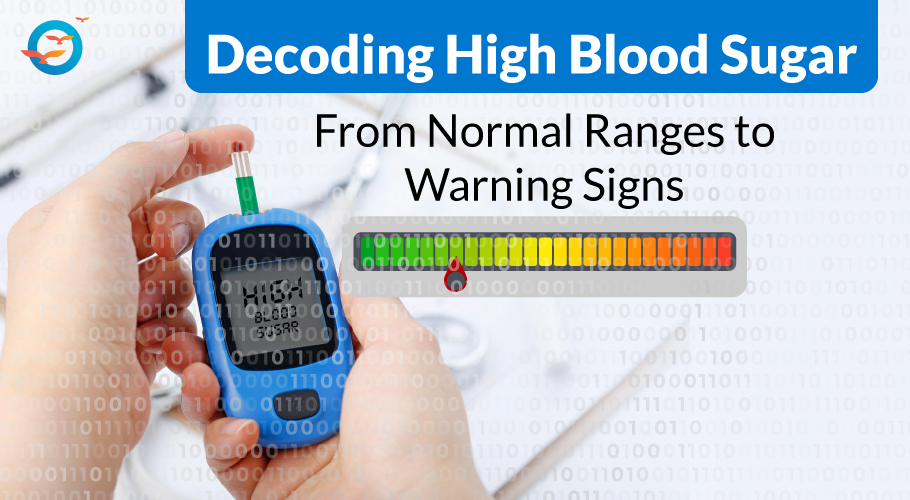
Normal blood glucose levels are essential for the proper functioning of the body. For a healthy individual, fasting blood glucose levels typically range between 70 to 99 mg/dL. After meals, blood glucose levels can rise but should generally remain below 140 mg/dL two hours post-meal. When fasting blood glucose consistently exceeds 100 mg/dL but is below 125 mg/dL, it is considered prediabetes. A fasting blood glucose level of 126 mg/dL or higher, or a post-meal reading above 200 mg/dL, is classified as hyperglycemia and may indicate diabetes. Maintaining blood glucose within the normal range is crucial to prevent complications and ensure metabolic balance.
Browse full blog-
https://www.freedomfromdiabete....s.org/blog/post/what
contact us- +91-77760 77760
Email Id- info@freedomfromdiabetes.org