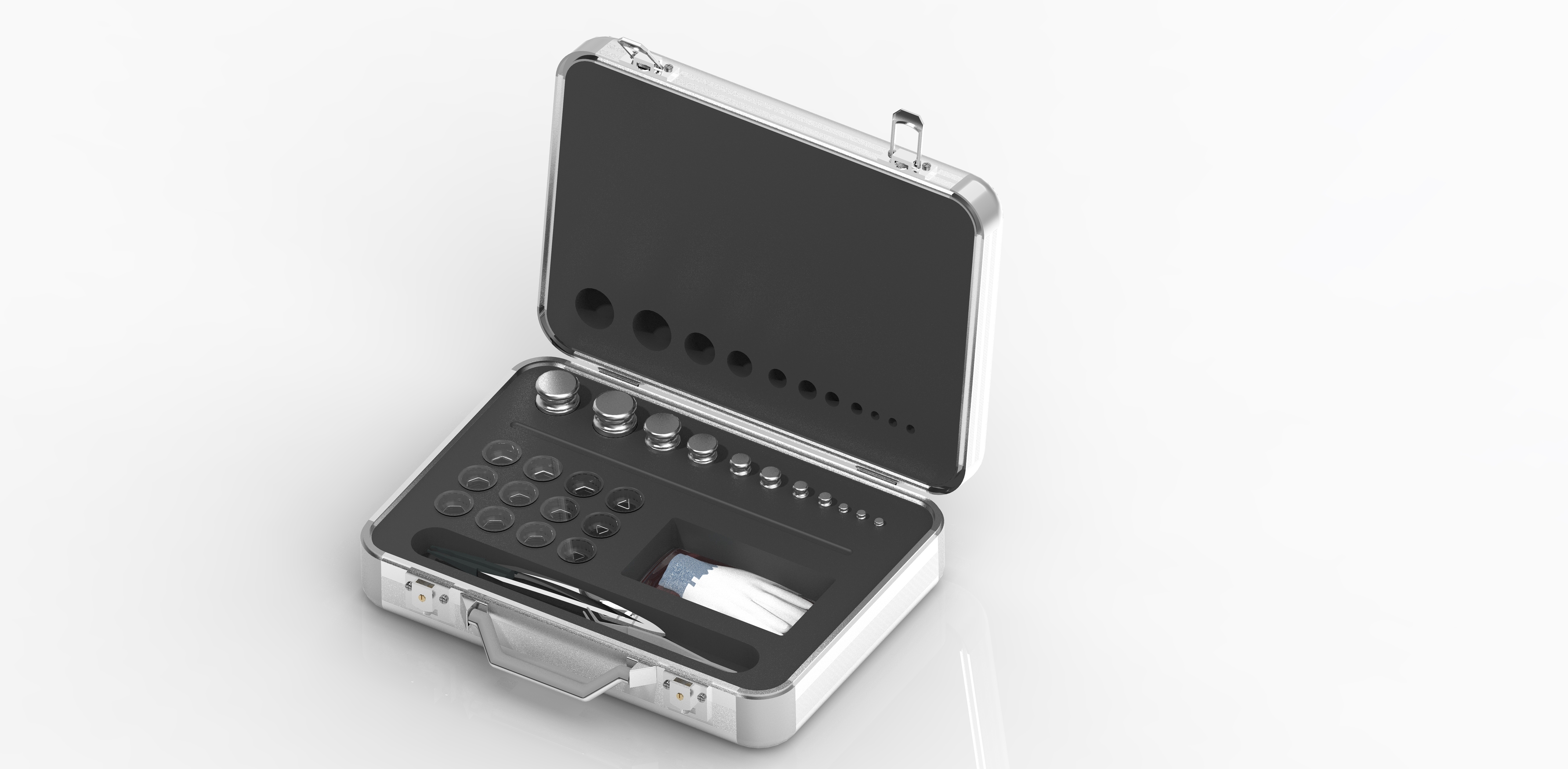
What Are Test Weights? Everything You Should Know
In industries where precision and accuracy are non-negotiable, test weights play a crucial role. From calibrating scales to verifying balances, test weights ensure your measurements are correct and reliable.
In this blog, we’ll cover what test weights are, why they matter, types of test weights, and the importance of fractional weight boxes in precision calibration.
What Are Test Weights?
Test weights are standardized weights used for checking and calibrating weighing equipment. Manufactured with strict tolerances, they act as a reference to verify that scales and balances are measuring accurately.
Whether in laboratories, factories, or commercial shops, test weights are essential for maintaining trust in measurements.
Why Are Test Weights Important?
- Ensure Accurate Measurements
- Comply with Industry Standards (ISO, NABL, etc.)
- Support Quality Control Processes
- Avoid Legal Issues in Trade & Commerce
Regular calibration using test weights protects your business from costly mistakes and ensures product consistency.
Types of Test Weights
1. By Material:
Stainless Steel
Cast Iron
Brass & Aluminum
2. By Shape:
Cylindrical Weights
Hexagonal & Block Weights
Slotted Weights
Fractional Weight Boxes (For micro-level calibration)
3. By Accuracy Class:
E1, E2 (Analytical balances)
F1, F2 (Precision balances)
M1, M2, M3 (Industrial use)
What is a Fractional Weight Box?
A fractional weight boxs is a set of small, precisely manufactured weights used for fine calibration of analytical and precision balances. These boxes typically contain weights ranging from 500 mg down to 1 mg, allowing for micro-adjustments in calibration.
Uses of Fractional Weight Boxes:
Calibration of high-precision laboratory balances
Adjustment of weights where minute differences matter
Used in pharmaceutical, research, and gold jewellery sectors
A fractional weight box ensures that even the smallest measurement units are accurately calibrated.
Applications of Test Weights
Calibration of Laboratory Balances
Industrial Scale Verification
Weighbridge Testing
Educational & Research Laboratories
Fine calibration using fractional weight boxes
How to Use Test Weights and Fractional Weight Boxes
Warm up the weighing device.
Use appropriate test weights for general calibration.
For fine-tuning, use a fractional weight box to adjust minute discrepancies.
Record calibration results for audits and compliance.
Care & Maintenance Tips
Always handle weights and fractional weight boxes with clean gloves.
Store in protective cases to avoid dust and damage.
Avoid exposure to humidity and chemicals.
Recalibrate weights periodically with accredited labs.
Conclusion
Test weights, including specialized tools like fractional weight boxes, are essential for industries where precision defines quality. Regular calibration not only ensures compliance but also maintains customer trust and operational excellence.
Looking for certified test weights and fractional weight boxes?
Get in touch with us for high-quality calibration solutions tailored to your industry needs.
https://masseprazise.com/