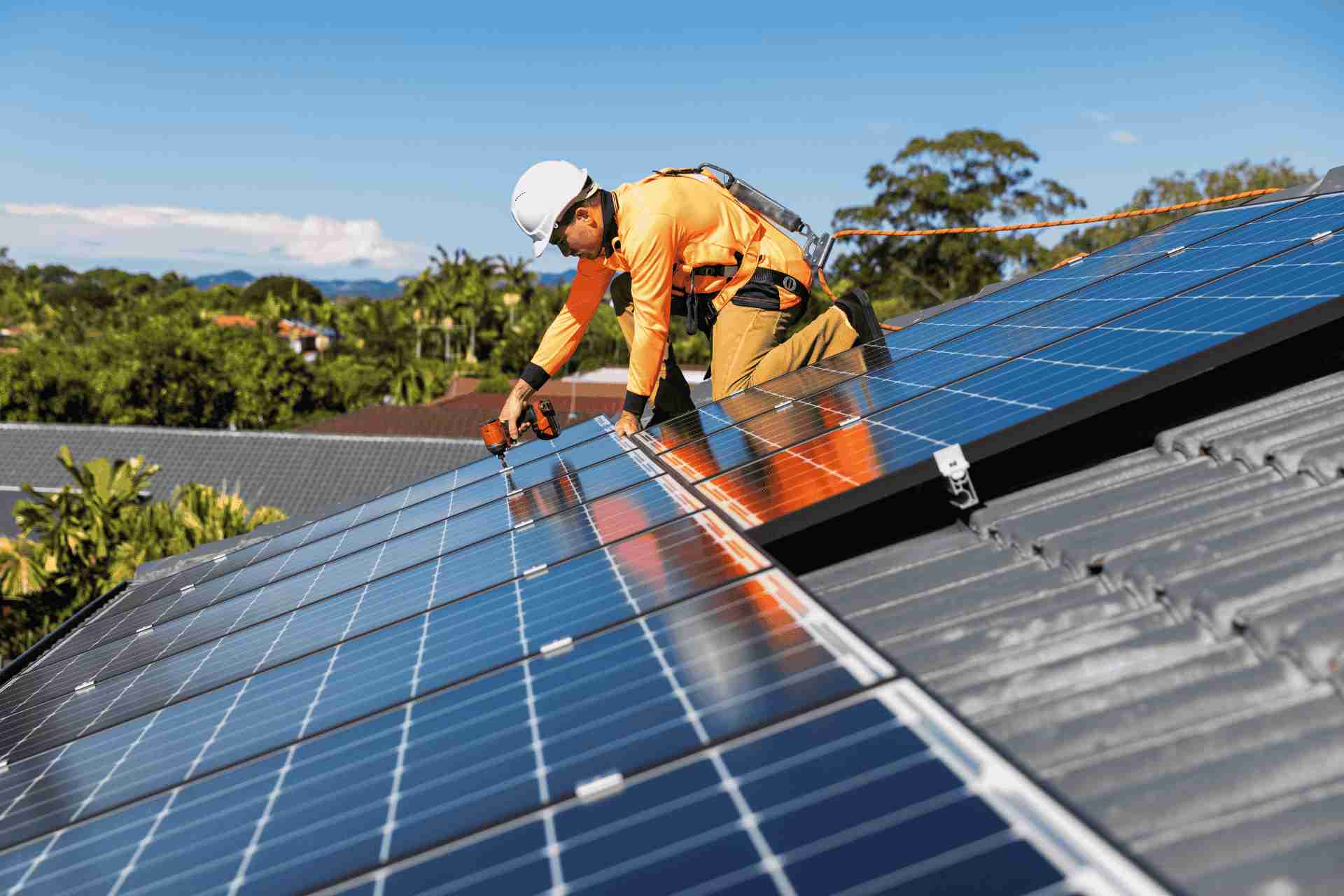
Installing Solar Panels on Roof: A Smart Investment for a Sustainable Future
As energy costs continue to rise and environmental concerns become more urgent, many homeowners are turning to renewable energy solutions. One of the most effective and popular options is installing solar panels on roof. This clean energy solution not only reduces your carbon footprint but also significantly lowers your electricity bills. In this article, we’ll explore the benefits, process, and considerations involved in installing solar panels on your roof.
Why Installing Solar Panels on Roof Makes Sense
Solar energy is one of the most accessible forms of renewable energy. By installing solar panels on roof, you harness the sun’s power to generate electricity for your home. This transition helps reduce dependency on fossil fuels and lowers greenhouse gas emissions.
But the advantages don’t stop at environmental impact. Here are a few compelling reasons to go solar:
Lower Energy Bills: Once installed, solar panels can significantly reduce or even eliminate your electricity costs.
Increase Property Value: Homes with solar panels typically have higher resale value and sell faster than those without.
Government Incentives: Federal tax credits and local rebates make solar installations more affordable than ever.
Energy Independence: Solar power protects you from future energy price hikes and gives you control over your energy usage.
Key Considerations Before Installing Solar Panels on Roof
While installing solar panels on roof offers many benefits, there are important factors to consider before making the switch:
Roof Condition: Solar panels typically last 25–30 years, so your roof should be in good condition. If it needs repair or replacement, it's best to do it before installation.
Sunlight Exposure: Roofs that face south, southwest, or southeast and receive full sun throughout the day are ideal for solar panel installation.
Local Regulations & Permits: Every municipality has its own rules and permitting process. A reputable solar installer will handle the paperwork, including permits and utility approvals.
Budget & Financing Options: While the upfront cost may seem high, various financing options such as solar loans, leases, and power purchase agreements (PPAs) make solar energy accessible for most homeowners.
The Process of Installing Solar Panels on Roof
The process of installing solar panels on roof typically involves several key steps:
1. Site Assessment
A solar company will evaluate your roof’s size, angle, and sun exposure. They'll also assess your electricity usage to determine the system size you need.
2. System Design
Based on the assessment, engineers design a solar panel system tailored to your home's energy needs and roof structure.
3. Permits and Paperwork
Your installer will submit all necessary paperwork for permits, grid connection, and applicable rebates or incentives.
4. Installation
Once approved, the installation team mounts the solar panels using specialized racking systems. This phase usually takes 1–3 days.
5. Inspection and Activation
After installation, local authorities and your utility company will inspect the system. Once approved, your system goes live and starts generating power.
Maintenance and Longevity
One of the biggest perks of installing solar panels on roof is that they require minimal maintenance. Occasional cleaning and periodic inspections are usually sufficient to keep them operating efficiently. Most systems come with 20–25 year warranties, offering long-term peace of mind.
Final Thoughts
Installing solar panels on roof is a smart, long-term investment that benefits both your wallet and the planet. With rising energy costs and increasing climate concerns, there's never been a better time to switch to solar. From reducing your carbon footprint to increasing your home’s value, the advantages are clear.
If you're considering solar for your home, consult with a certified installer to assess your roof’s potential and explore financing options. By making the move today, you’re investing in a cleaner, more sustainable future for yourself and generations to come.