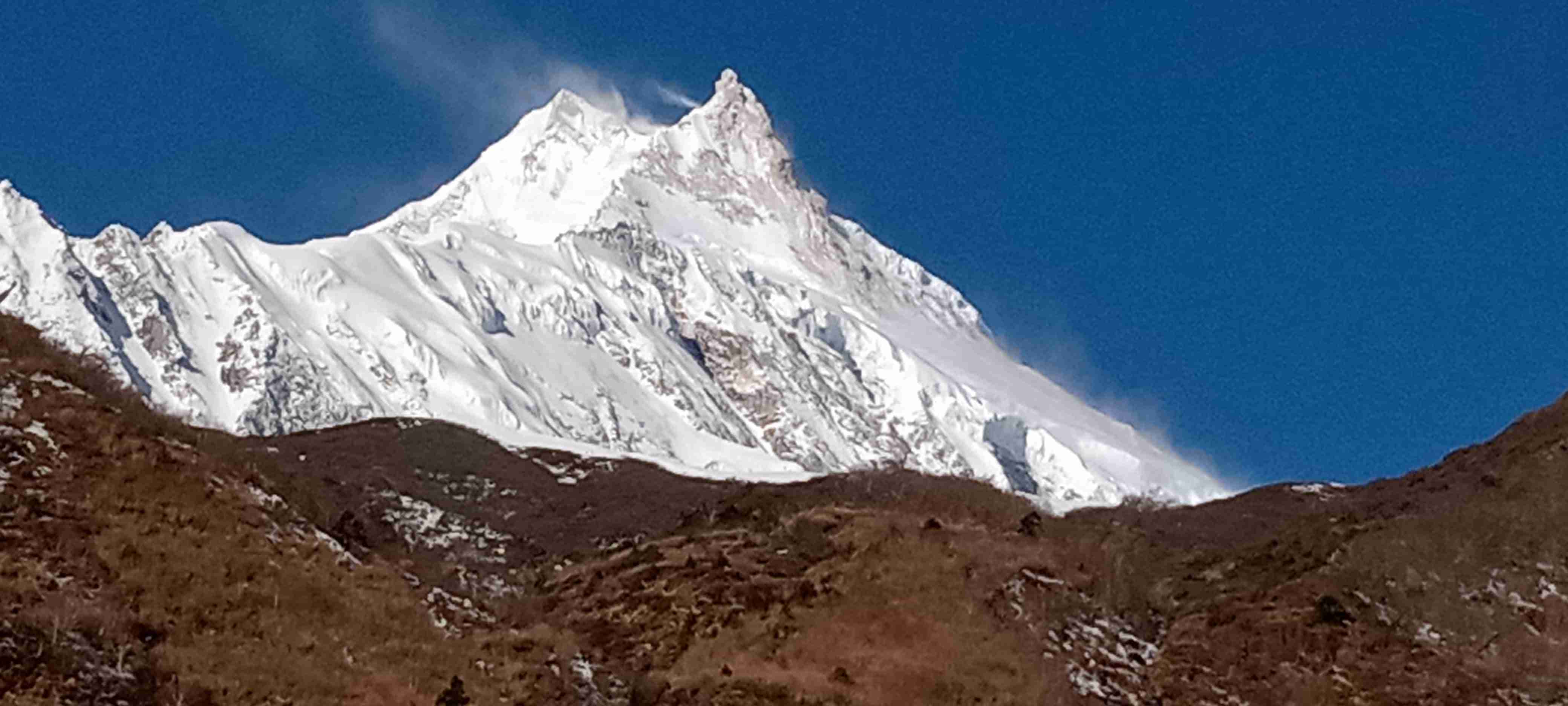


EVEREST BASE CAMP TREK IN 6 DAYS: A Quick Yet Thrilling Journey to the Top of the World
The Everest Base Camp Trek is the quintessential adventure for trekking enthusiasts, offering the unparalleled opportunity to stand at the foot of Mount Everest, the tallest mountain in the world. While most treks to Everest Base Camp take about 12-14 days, a 5-day Everest Base Camp Trek is an incredibly challenging yet rewarding option for those short on time but eager to experience the grandeur of the Himalayas. This expedited trek still covers the key highlights of the classic route, allowing trekkers to witness the stunning landscapes, rich Sherpa culture, and the mighty Everest up close in a condensed timeframe. However, due to its shortened duration, this trek demands a higher level of fitness and stamina, making it more suitable for seasoned trekkers.
The adventure begins in Kathmandu, the vibrant capital city of Nepal, where trekkers prepare for their Himalayan journey. https://sherpateams.com/sub-ca....tegory/everest-regio Kathmandu is a bustling metropolis, teeming with life, culture, and history. While there, trekkers typically arrange their permits and check in with trekking agencies. The city is home to ancient temples, colorful streets, and a fusion of old-world charm and modern energy. After a day or two of preparation, the trek officially begins with a flight to Lukla, a small mountain town located in the Khumbu region. The flight from Kathmandu to Lukla is a thrilling experience in itself, as you approach the high-altitude airport with its short, dramatic runway. As you descend towards Lukla, the breathtaking views of the surrounding peaks provide an early taste of the natural beauty that awaits you on the trek.
Upon arriving in Lukla, trekkers are immediately immersed in the rugged beauty of the Khumbu region. Lukla is the starting point of the Everest Base Camp Trek and is a bustling hub where trekkers from all over the world converge. The initial leg of the journey takes you through lush forests and quaint Sherpa villages. As you begin your trek, you’ll follow a relatively gentle path that weaves alongside the Dudh Koshi River, crossing several suspension bridges that provide stunning views of the river valley. The forests here are dense with rhododendron, pine, and fir trees, and the air is filled with the sounds of nature. The first day of trekking is not overly strenuous, and it serves as an introduction to the unique beauty of the region and an opportunity to adjust to the altitude.
The trail gradually ascends, and the next major stop is Namche Bazaar, a bustling Sherpa town nestled in a valley at an altitude of 3,440 meters. Namche is the largest settlement in the Khumbu region and is a key hub for trekkers and climbers. Reaching Namche is a relatively steep climb, but the payoff is worth it. As you ascend, the views of snow-capped peaks, including Everest, Lhotse, and Ama Dablam, become increasingly breathtaking. Namche Bazaar is not only a perfect place to acclimatize, but it’s also a cultural hub where trekkers can experience the warmth and hospitality of the Sherpa people. The town has a variety of guesthouses, restaurants, and shops, and there are several places of interest, such as the Sherpa Cultural Museum and the nearby Everest View Hotel, which provides one of the best panoramic views of Everest and its surrounding peaks.
Acclimatization is crucial on any trek to Everest Base Camp, and Namche provides a much-needed rest day for trekkers to adjust to the increasing altitude. While in Namche, trekkers often take a short hike to a viewpoint above the town for even more stunning vistas of Mount Everest and other surrounding peaks. A visit to the Everest View Hotel is also a must, offering not only an opportunity to see Everest up close but also a chance to relax with a warm drink while soaking in the majestic mountain views. Although the trek to Namche is a challenging climb, the beauty of the landscape and the chance to rest and explore the town make it a memorable stop on the way to Everest Base Camp.
From Namche, the trail heads toward Tengboche, which is located at an altitude of 3,860 meters. The journey to Tengboche is a scenic one, passing through forests of rhododendron, pine, and birch trees. Along the way, trekkers are treated to breathtaking views of Everest, Lhotse, and the impressive Ama Dablam. Tengboche is home to one of the most famous monasteries in the Khumbu region, the Tengboche Monastery, which is an important religious and cultural center for the Sherpa people. The monastery is beautifully situated on a hill, with panoramic views of the surrounding peaks and valleys. The serene atmosphere of the monastery, combined with the stunning mountain scenery, makes Tengboche a peaceful and spiritual stop on the trek.
After leaving Tengboche, the trek continues toward Dingboche, a small village at an altitude of 4,410 meters. The trek from Tengboche to Dingboche is an upward climb, and the altitude starts to make its presence felt. However, as you trek through the rugged landscape, the beauty of the surroundings continues to captivate. Dingboche is a quieter village compared to Namche and Tengboche, and it offers trekkers a chance to relax and adjust to the altitude. The village is surrounded by dramatic views of the Himalayas, with the peaks of Lhotse, Ama Dablam, and Island Peak visible in the distance. Dingboche serves as an important acclimatization stop on the way to Everest Base Camp, and trekkers often take a rest day here to help their bodies adjust to the increasing elevation.
From Dingboche, the trail leads to Lobuche, which sits at an altitude of 4,940 meters. The trek from Dingboche to Lobuche is more challenging, as the terrain becomes more rugged and the altitude begins to take its toll. The path winds through rocky landscapes and passes close to the Khumbu Glacier, a massive sheet of ice and snow. The landscape becomes increasingly barren and harsh, but the views of the surrounding peaks, glaciers, and icefalls continue to be awe-inspiring. Lobuche is a small settlement that marks one of the final stops before reaching Everest Base Camp. While the village itself is not large, the surrounding scenery makes it a special place to rest before the final push.
From Lobuche, the trek continues to Gorak Shep, a small settlement situated at an altitude of 5,164 meters. Gorak Shep is the last stop before Everest Base Camp, and it is the final place where trekkers can rest before embarking on the final leg of the journey. The trek from Lobuche to Gorak Shep is a steady climb across rocky terrain, with Everest looming ever closer in the distance. The atmosphere at this altitude becomes thinner, and the physical demands of the trek are felt more strongly. Upon reaching Gorak Shep, trekkers typically have a brief rest before heading to Everest Base Camp.
The final leg of the trek takes trekkers from Gorak Shep to Everest Base Camp. The trail leads across the rocky moraine of the Khumbu Glacier, a barren and dramatic landscape of ice and rock. As you trek toward Base Camp, the excitement builds with every step. Reaching Everest Base Camp is the culmination of an incredible journey, and standing at the foot of the world’s tallest mountain is a moment of awe and achievement. Although the summit of Everest itself is not visible from Base Camp, the surrounding views of the Khumbu Icefall and the glaciers are breathtaking. The sense of accomplishment and the feeling of being in one of the most iconic places on Earth is overwhelming.
After spending time at Everest Base Camp, trekkers often descend back down the trail, retracing their steps through the villages of Lobuche, Dingboche, Tengboche, and Namche. The descent is generally quicker, and trekkers can take in the stunning scenery one last time before reaching Lukla. The 5-day trek to Everest Base Camp is intense and physically demanding, but the beauty of the landscapes, the cultural immersion in the Sherpa villages, and the chance to stand at the foot of Everest make it a rewarding adventure. Though shorter than the traditional 12-14 day trek, the 5-day Everest Base Camp Trek provides an unforgettable experience for those seeking a quick, challenging journey to the top of the world.