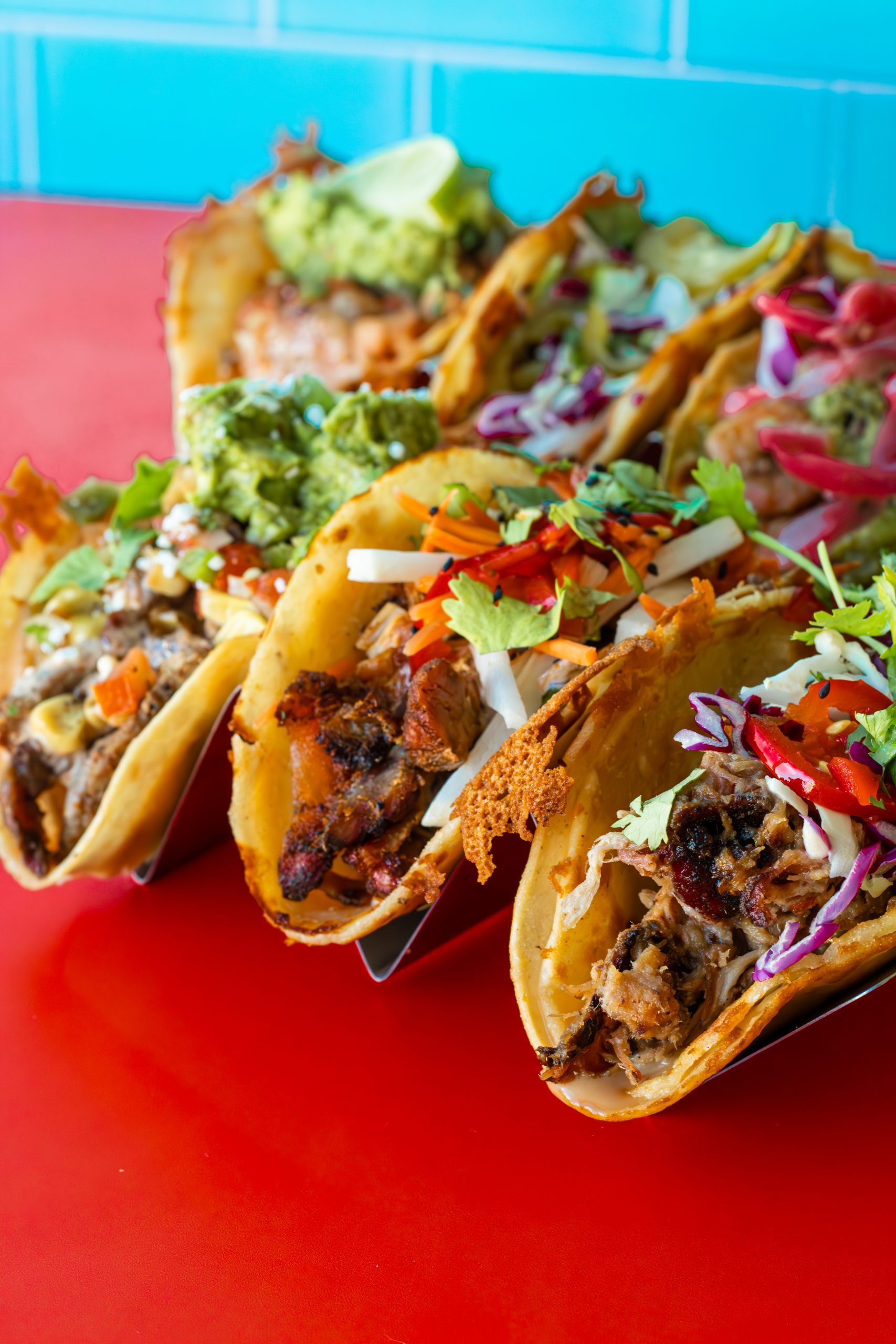


Event Catering for Corporate Utah: The Smoked Taco's Professional Approach
Corporate event catering in Utah demands a combination of qualities that few catering services can reliably deliver: professional service, consistent quality, bold and crowd-pleasing food, and flexible logistics. The Smoked Taco checks every one of these boxes and then raises the bar further with its award-winning smoked meats and creative menu that makes every corporate event more memorable than the last. This article explores why Utah's corporate community increasingly turns to The Smoked Taco for its event catering needs.
What Corporate Event Catering Requires
Reliability as the Foundation
For corporate clients, reliability is the non-negotiable starting point for any catering relationship. The Smoked Taco builds reliability into its catering service from the first contact. Catering requests receive responses within 24 to 48 business hours. The team communicates clearly throughout the planning process. The food arrives on time and at the expected quality level. This reliability is the foundation on which corporate catering relationships are built and sustained.
Quality That Reflects Corporate Values
The food you serve at a corporate event communicates something about your organization. Standard catering communicates that you provided the minimum required. Smoked Taco catering communicates that you invested in a genuinely excellent experience for your team or your clients. In a corporate context, that distinction matters. The Smoked Taco's award-winning food sends the right message on behalf of every organization that serves it.
The Corporate Event Catering Menu
Options for Every Corporate Context
The Smoked Taco's catering menu is versatile enough to work in a wide range of corporate settings:
Team lunches: A full taco spread with multiple protein options and sides delivers a midday meal that energizes rather than sedates your team.
Client entertainment: The bold, creative flavors and premium proteins create an impressive dining experience that reflects positively on your organization.
Company celebrations: The festive taco bar format naturally creates a celebratory atmosphere that matches the energy of milestone moments.
Training sessions and retreats: Generous, satisfying food keeps participants energized and engaged throughout long-format events.
Platform Management Through ezCater
Corporate clients who need to manage catering at scale have a dedicated solution in ezCater. The Smoked Taco's presence on the platform means that ordering, tracking, and managing catering across all seven Utah locations can be handled through a single, streamlined platform. This is a significant practical advantage for companies that host frequent events or manage catering across multiple office locations.
Service Tiers for Corporate Events
Choosing the Right Format
Pickup (Free): Best for informal team lunches where someone from the office can collect the order.
Delivery ($3: Ideal for events where the food needs to arrive at a specific venue without someone from the team making the trip.
Full Service (15%): The best choice for formal client entertainment or larger company events where professional setup and service management are appropriate.
Corporate Catering Coverage Across Utah
With seven locations across the state, The Smoked Taco can serve corporate events in virtually every major Utah business hub. American Fork and Pleasant Grove serve Utah County businesses. Murray, Salt Lake City, and Bountiful serve Salt Lake Valley companies. Riverdale serves the Ogden business community. St. George serves Southern Utah's growing corporate market.
Contact Information for Corporate Booking
Online catering form at thesmokedtaco.com/catering.
Direct line to catering specialist at (801) 960-5402.
ezCater platform for managed corporate accounts.
Conclusion
Event catering for Utah's corporate community deserves a catering partner that delivers reliability, quality, and genuine excitement in every order. The Smoked Taco provides all of these through its award-winning food, professional service, and comprehensive coverage across seven Utah locations. Contact the catering team today and discover how The Smoked Taco can elevate your next corporate event from routine to genuinely remarkable.
https://thesmokedtaco.com/