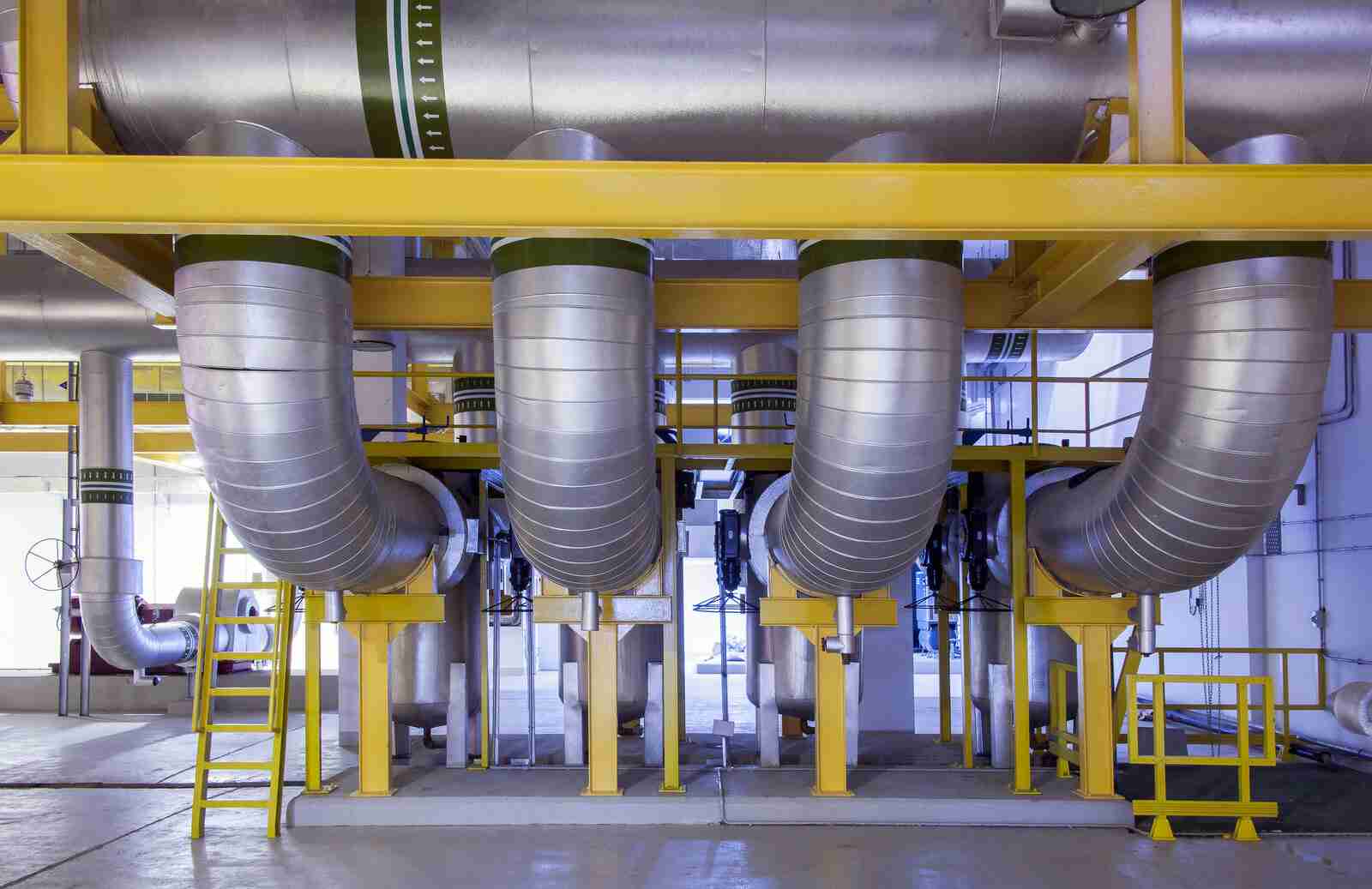



**District Cooling Market Scenario Examines District Cooling Challenges And Efficiency Gaps In Cooling Demand**
Cities are quietly approaching a thermal breaking point as cooling demand rises faster than power infrastructure can adapt. The district cooling market scenario is beginning to reflect this pressure through rapid shifts in how urban planners think about energy distribution.
What was once a niche utility model is now becoming a central strategy for sustainable city design where efficiency and resilience decide long term viability.
**District Cooling Market Scenario Analysis**
Urban planners are rethinking cooling as a shared infrastructure asset rather than isolated building level systems. This shift is redefining how cities manage peak load stress and energy waste in densely populated zones. In this evolving district cooling market scenario analysis, the focus is no longer only on capacity expansion but on intelligent distribution that reduces strain on conventional grids.
One of the most significant developments is the rise of energy efficient district cooling solutions for urban infrastructure, which are being integrated into commercial hubs, airports, and mixed use developments. These systems reduce operational complexity while improving long term energy predictability. At the same time, centralized cooling networks for smart cities adoption are gaining momentum as municipalities look for scalable ways to unify utility planning. This convergence is reshaping how developers evaluate land use, utility corridors, and long term maintenance efficiency across expanding urban clusters.
**District Cooling System Market Growth Outlook**
The district cooling system market growth outlook is being driven by structural changes in how cities prioritize sustainability and operational cost control. Demand is no longer limited to high density commercial zones but is expanding into residential master planning projects where energy efficiency is a core design requirement.
A key driver supporting this growth is the increasing emphasis on district energy cooling plant investment benefits, especially in regions facing rising electricity tariffs and water scarcity challenges. Investors and developers are recognizing that centralized systems offer predictable returns through reduced lifecycle costs and improved asset utilization. This shift is also encouraging public private partnerships that accelerate infrastructure deployment while minimizing financial risk for municipalities.
Another emerging factor is the integration of digital monitoring systems that enhance operational transparency and performance optimization. These capabilities are helping operators fine tune distribution efficiency and reduce energy losses across networks. As cities continue to evolve toward low carbon development models, district cooling is becoming a foundational element rather than an optional upgrade.
The trajectory of this market suggests a deeper transformation in urban energy logic where cooling is treated as shared intelligence rather than isolated consumption. This redefinition is setting the stage for more connected, efficient, and resilient urban futures that quietly reshape how modern cities breathe and grow. Learn more: https://www.pristinemarketinsi....ghts.com/district-co
#districtcoolingmarket #districtcoolingsystems #urbancoolinginfrastructure #energyefficiencycooling #smartcitycooling