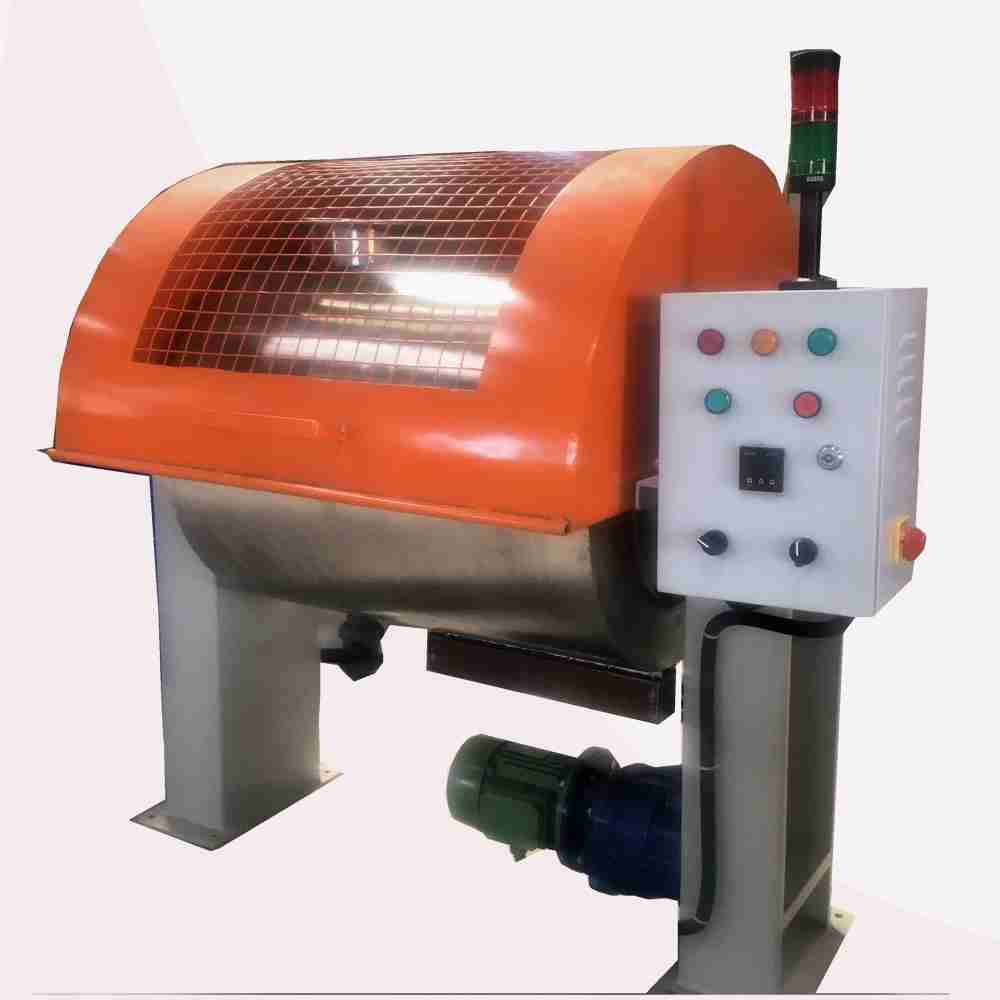
Automatic vs Manual Wax Injection Machine: Which Does Your Foundry Actually Need?
Quick Answer / TL;DR: A manual wax injection machine gives an operator full control over each shot but introduces human variability into every cycle. An automatic machine removes that variability, locks in pressure, temperature, and timing, and typically delivers 40 to 60% higher consistent pattern output per shift. The right choice depends on your volume, part complexity, and labour cost structure.
Two foundries. Same wax. Same mould tool. One runs a manual wax injection machine; one runs an automatic. After a 10-hour shift, the reject rates are different. Not dramatically at first. But compound that over a week, a month, a quarter, and the gap in scrap cost and rework labour tells you exactly which machine was the right call. At Laxminarayan Technologies, we've been building and commissioning wax injection machines since 1986, and this comparison, manual versus automatic, is the one that drives more wrong purchasing decisions than any other. This guide gives you the honest breakdown.
What Is the Difference Between a Manual and Automatic Wax Injection Machine?
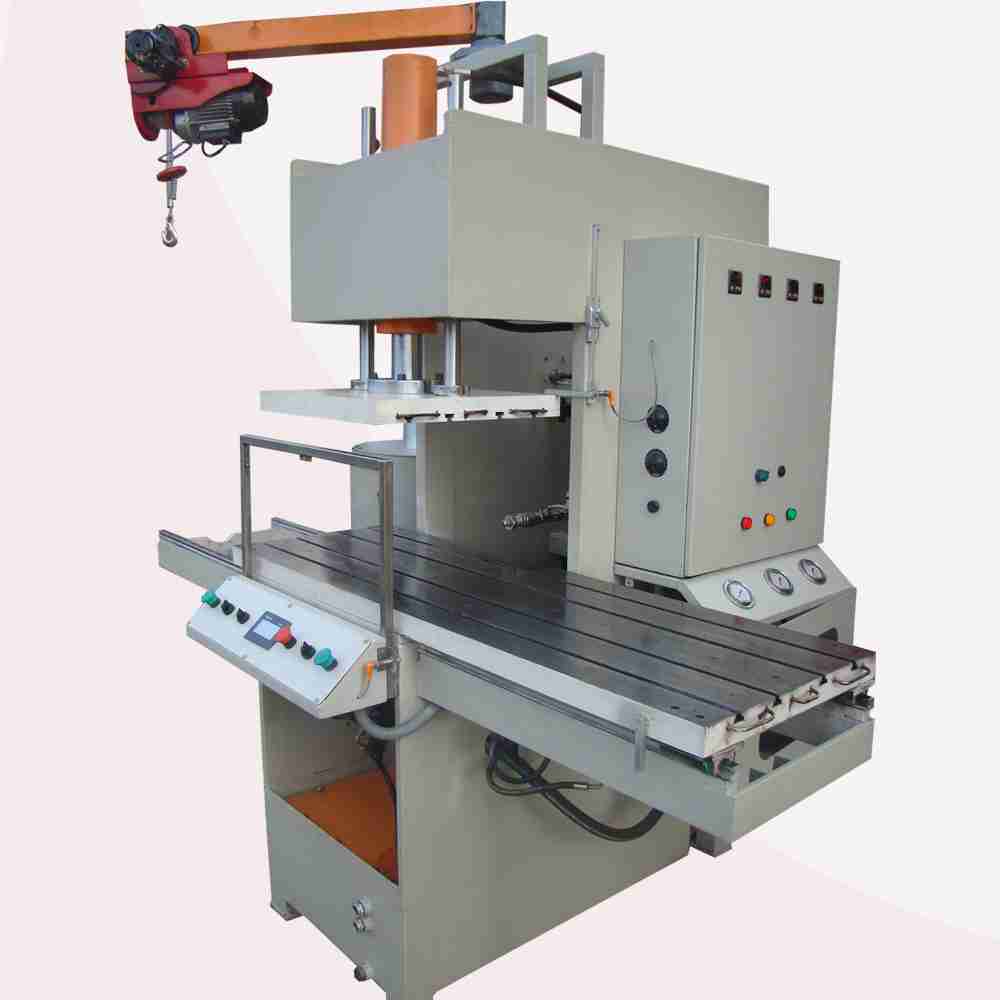
A manual wax injection machine requires an operator to control the injection trigger, hold duration, and mould open/close sequence by hand, introducing human variability into each shot. An automatic wax injection machine executes the full injection cycle, clamping, injection, hold, cooling timer, and mould open, through a programmable controller (PLC) with preset parameters, repeating identically shot to shot.