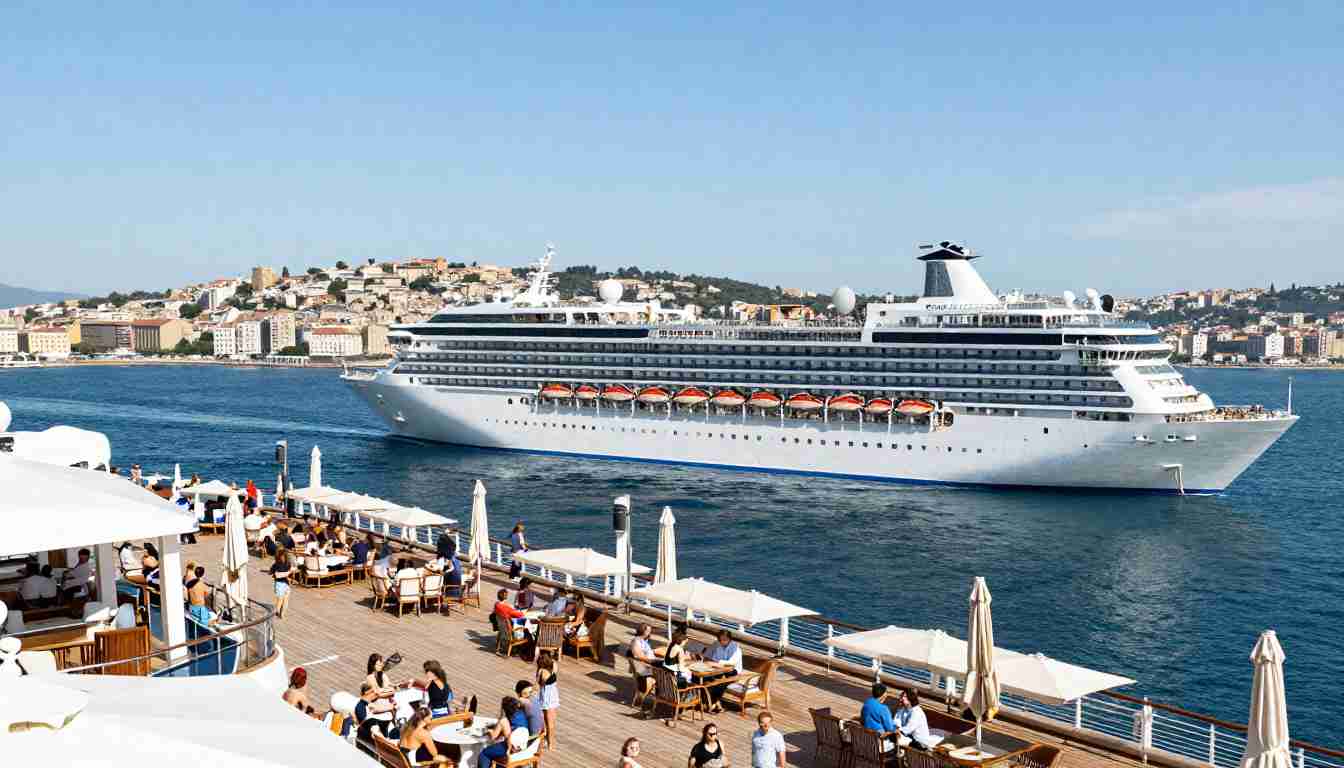
Europe Cruise Market Size, Share & Growth Forecast 2025–2034
The Global Europe Cruise Market is experiencing strong momentum as travel demand rebounds and cruise operators expand their premium offerings across European waters. The market reflects growing consumer interest in experiential tourism, luxury voyages, and culturally immersive itineraries. With rising disposable incomes and evolving traveler preferences, the sector is positioned for substantial expansion over the coming decade.
According to recent projections, the European Cruise Market is expected to be valued at USD 2.1 billion in 2025 and is forecasted to reach USD 6.5 billion by 2034, expanding at a robust CAGR of 13.4%. This growth trajectory highlights the sector’s resilience and the rising popularity of cruise tourism across both leisure and premium travel segments.
Market Overview
The Europe Cruise Market represents a dynamic segment of the broader travel and tourism industry. Cruise vacations in Europe appeal to a wide demographic—from budget travelers to luxury seekers—due to the region’s rich cultural heritage, scenic coastlines, and well-developed maritime infrastructure.
Key Market Characteristics
Strong demand for Mediterranean itineraries
Growing popularity of river cruises
Rising adoption of luxury and expedition cruises
Increasing digitalization of booking and customer experience
Expansion of sustainable cruise initiatives
The market is evolving beyond traditional leisure cruises toward more personalized, themed, and destination-focused experiences.
Market Dynamics
Drivers
Rising Demand for Experiential Travel
Modern travelers increasingly prioritize experiences over material purchases. European cruises offer multi-destination travel combined with premium onboard amenities, making them highly attractive. Cultural immersion, culinary tourism, and themed cruises are particularly driving bookings.
Expansion of Cruise Infrastructure
European ports are investing heavily in modernization and capacity expansion. Improved terminals, faster boarding systems, and enhanced port connectivity are enabling cruise lines to deploy larger vessels and increase sailing frequency.
Growth in Luxury and Premium Segments
Affluent travelers are fueling demand for high-end cruise experiences, including:
Boutique ships
All-inclusive luxury packages
Expedition cruises to Arctic regions
Personalized concierge services
This premiumization trend significantly boosts revenue per passenger.
Digital Transformation in Booking
Online travel platforms and mobile booking apps are simplifying cruise reservations. Features such as virtual ship tours, AI-powered recommendations, and dynamic pricing models are improving customer acquisition and retention.
Restraints
High Operational Costs
Cruise operators face significant expenses related to fuel, staffing, port fees, and regulatory compliance. These costs can affect pricing strategies and profit margins.
Environmental Regulations
Strict European environmental policies regarding emissions and marine pollution require cruise lines to invest in cleaner technologies, which can increase capital expenditure.
Seasonality Challenges
European cruise demand is highly seasonal, with peak activity during summer months. Off-season demand fluctuations can impact fleet utilization rates.
Opportunities
Sustainable and Green Cruising
The shift toward eco-friendly tourism presents major growth opportunities. Cruise operators investing in LNG-powered ships, shore power connectivity, and waste reduction systems are likely to gain competitive advantages.
River Cruise Expansion
River cruising across Europe—particularly along the Danube, Rhine, and Seine—is gaining popularity among older travelers and luxury tourists seeking intimate experiences.
Emerging Source Markets
Growing outbound travel from Asia-Pacific and the Middle East is expected to boost European cruise passenger volumes significantly.
Themed and Niche Cruises
Demand is rising for specialized cruise experiences, including:
Wellness cruises
Culinary voyages
Music and entertainment cruises
Adventure expeditions
These niche offerings help operators target specific customer segments.
Download a Complimentary PDF Sample Report:
https://dimensionmarketresearc....h.com/request-sample
Market Segmentation
By Cruise Type
Ocean Cruises
Ocean cruises dominate the market due to their large capacity and wide itinerary options. Mediterranean and Baltic routes remain the most popular.
River Cruises
River cruises are witnessing faster growth due to their:
Intimate ship sizes
Cultural immersion
Appeal to older demographics
Premium pricing power
Expedition Cruises
Expedition cruising in Northern Europe and Arctic regions is expanding rapidly, driven by adventure tourism demand.
By Passenger Demographics
Millennials and Gen Z
Younger travelers are increasingly attracted to:
Shorter itineraries
Adventure-focused cruises
Social-media-friendly experiences
Flexible pricing options
Baby Boomers and Seniors
This group remains the core customer base, especially for luxury and river cruises. They value comfort, guided tours, and all-inclusive packages.
Families
Family cruising is growing through:
Kids’ entertainment programs
Multi-generational travel packages
Theme-based voyages
By Booking Channel
Online Travel Agencies (OTAs)
Digital platforms are gaining market share due to convenience, price transparency, and bundled deals.
Direct Booking
Cruise lines continue to promote direct booking through loyalty programs, exclusive offers, and personalized marketing.
Travel Agents
Traditional agents still play a key role in luxury and complex itinerary bookings.
Competitive Landscape
The Europe Cruise Market is moderately consolidated, with major cruise operators focusing on fleet modernization, sustainability, and customer experience innovation.
Key Competitive Strategies
Deployment of LNG-powered ships
Expansion of luxury brands
Strategic port partnerships
Digital guest experience platforms
Personalized onboard services
Operators are increasingly differentiating through experiential offerings rather than price competition alone.
Emerging Trends Shaping the Market
Smart Ships and Digital Experience
Cruise lines are integrating advanced technologies such as:
Wearable passenger devices
AI-powered personalization
Smart cabin controls
Contactless payments
These innovations enhance customer satisfaction and operational efficiency.
Sustainability Initiatives
Environmental responsibility is becoming central to brand positioning. Key initiatives include:
Shore power adoption
Waste heat recovery
Advanced wastewater treatment
Reduced single-use plastics
Sustainability credentials are increasingly influencing traveler choice.
Short-Duration Cruises
Demand for 3–5 day cruises is rising, especially among younger travelers and first-time cruisers. These shorter trips provide an accessible entry point into cruise tourism.
Premiumization of Onboard Experience
Cruise lines are investing heavily in:
Fine dining concepts
Wellness spas
Entertainment productions
Exclusive suite categories
This trend is driving higher per-passenger revenue.
Future Outlook (2025–2034)
The Europe Cruise Market is poised for strong expansion through 2034. Several structural factors support long-term growth:
Rising global tourism demand
Increasing cruise fleet capacity
Expansion into new European ports
Growth of luxury and expedition segments
Continued digital transformation
However, success will depend on how effectively operators manage environmental regulations, fuel costs, and shifting consumer expectations.
Summary of Key Insights
The Global Europe Cruise Market is entering a high-growth phase driven by experiential tourism demand, luxury travel expansion, and digital innovation. With the market expected to grow from USD 2.1 billion in 2025 to USD 6.5 billion by 2034, the sector offers substantial opportunities for cruise operators, investors, and tourism stakeholders.
Key takeaways include:
Mediterranean routes continue to dominate market share.
River and expedition cruises are the fastest-growing segments.
Sustainability and smart ship technologies are reshaping competitive dynamics.
Premium and personalized travel experiences are driving higher revenues.
Emerging source markets will play a critical role in future growth.
As consumer preferences evolve and cruise lines invest in greener, more technologically advanced fleets, the Europe Cruise Market is set to remain one of the most dynamic segments within global tourism over the next decade.
Purchase the report for comprehensive details:
https://dimensionmarketresearc....h.com/checkout/europ