Forum
How Does Brevo Help Manage Customer Relationships?

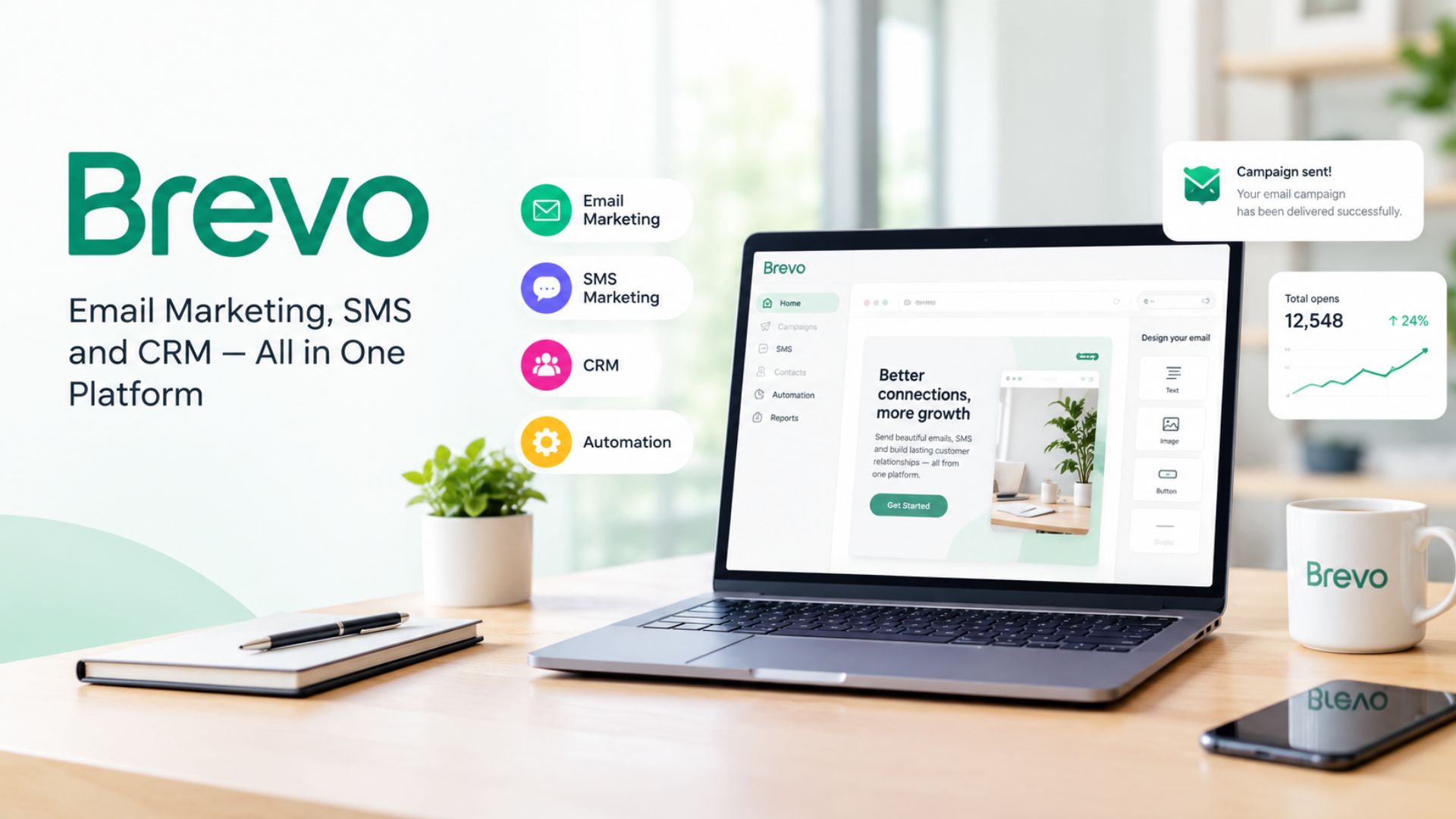
This article explores how Brevo helps businesses manage customer relationships through automated communication, personalized marketing, contact management, engagement tracking, and strategies that improve customer satisfaction and long-term loyalty.
Managing customer relationships is essential for businesses that want to build trust, improve communication, and encourage long-term loyalty. Customers expect personalized experiences, timely responses, and relevant information throughout their journey. Without an organized system, businesses may struggle to track conversations, follow up with leads, and maintain consistent communication. Customer relationship management tools help companies organize customer information, automate repetitive tasks, and deliver more meaningful interactions. By combining communication and marketing activities, businesses can develop stronger relationships, improve customer satisfaction, and create more effective strategies for sustainable growth.
Understanding Customer Relationship Management
Customer relationship management involves managing interactions with existing customers and potential buyers throughout the customer journey. It includes collecting customer information, tracking communication, understanding preferences, and identifying opportunities to improve the overall experience. A structured approach helps businesses avoid missed follow-ups, inconsistent messaging, and disconnected customer records.
Brevo provides businesses with tools for managing customer communication through email marketing, automation, contact management, and related engagement features. These capabilities can help organizations maintain more consistent interactions while organizing important customer information. Rather than treating every interaction as a separate activity, businesses can develop a more connected communication process that supports customers at different stages of their journey.
For example, an online retailer can welcome new subscribers, share product recommendations, send order-related updates, and reconnect with customers who have not purchased recently. Similarly, a service provider can follow up with prospective clients, share useful resources, and maintain communication after completing a project. These interactions help businesses remain relevant without requiring every message to be sent manually.
Improving Communication Through Automation
Consistent communication is one of the foundations of strong customer relationships. However, manually sending messages to every customer becomes difficult as a business grows. Marketing automation helps organizations deliver timely messages based on customer actions, preferences, and communication requirements.
Businesses can create automated workflows for welcome emails, subscription confirmations, follow-up messages, promotional campaigns, and customer re-engagement. These workflows reduce repetitive work and help ensure that customers receive relevant communication at appropriate moments. Automation can also help teams maintain consistency across campaigns while giving employees more time to focus on customer needs and business development.
For example, when someone subscribes to a newsletter, a business can automatically send a welcome message explaining its services and highlighting useful resources. Later, the subscriber might receive educational content or product updates based on the business's communication strategy. This gradual approach helps establish familiarity before encouraging a purchase. 
Personalizing Customer Experiences
Brevo helps businesses create more relevant customer communication through audience segmentation and personalized marketing campaigns. Instead of sending the same message to everyone, businesses can tailor content according to customer interests and preferences.
Key ways to personalize customer experiences include:
Audience Segmentation: Group contacts based on interests, purchase history, and subscription preferences.
Targeted Campaigns: Send relevant offers, updates, and recommendations to specific customer groups.
Personalized Emails: Customize messages to make communication more engaging and meaningful.
Customer Engagement: Share useful content based on customer needs and previous interactions.
Responsible Data Management: Handle customer information carefully and respect privacy preferences.
For example, an online clothing store can recommend formal wear to customers interested in professional outfits while promoting casual collections to other shoppers. This approach can improve engagement, strengthen customer relationships, and create more personalized shopping experiences.
Organizing Contacts and Customer Information
Customer information becomes difficult to manage when it is scattered across spreadsheets, email accounts, and separate marketing platforms. Disorganized records can lead to duplicated messages, missed opportunities, and inconsistent communication. Centralizing contact information helps businesses create a clearer view of their audiences and manage interactions more efficiently.
Customer management tools can help teams organize contact details, maintain audience lists, apply relevant segments, and coordinate communication activities. A structured contact database also makes it easier to identify prospects, understand subscriber preferences, and maintain relationships over time.
Businesses should keep customer records accurate and updated. Removing outdated information, respecting unsubscribe requests, and establishing consistent data-management practices can reduce errors and support better communication. Teams should also ensure that employees have appropriate access to customer information according to their responsibilities. 
Measuring Engagement and Improving Results
It helps businesses monitor marketing campaign performance and understand how customers respond to their communication. Tracking important metrics allows teams to identify improvement opportunities and make data-driven decisions.
Key ways to measure engagement include:
Email Delivery Rates: Check whether emails successfully reach subscribers' inboxes.
Click-Through Rates: Measure how many recipients click links within marketing emails.
Conversion Rates: Track actions such as purchases, registrations, or form submissions.
Unsubscribe Rates: Identify whether messaging frequency or content needs improvement.
Campaign Testing: Experiment with subject lines, offers, messaging, and delivery times.
Customer Feedback: Use responses and feedback to understand customer expectations.
By reviewing these metrics regularly, businesses can identify successful campaigns, improve communication strategies, and create more relevant customer experiences. This ongoing process supports stronger engagement and long-term customer relationships.
You can also watch: Pipedrive Review 2021 | Is Pipedrive The Best CRM For More Sales?
Conclusion
Building strong customer relationships requires consistent communication, useful information, personalized experiences, and ongoing improvement. Brevo can help businesses bring these activities together through contact management, email marketing, automation, and engagement tools. When combined with thoughtful segmentation, responsible data practices, and regular performance analysis, these capabilities can support more organized customer communication and stronger long-term relationships. However, successful relationship management ultimately depends on understanding customer needs, providing genuine value, and responding appropriately to feedback. Businesses that prioritize these principles can improve customer experiences, encourage loyalty, and create a stronger foundation for sustainable growth.
Frequently Asked Questions
1. How Does Brevo Help Businesses Manage Customer Relationships?
It offers communication and marketing tools that help businesses organize contacts, send targeted messages, automate workflows, and monitor customer engagement.
2. Can Brevo Automate Customer Communication?
Yes. Businesses can use automation workflows for activities such as welcome emails, follow-up messages, and customer re-engagement, depending on the features available in their plan.
3. Is Brevo Suitable for Small Businesses?
Brevo can be useful for small businesses that want to organize contacts, manage marketing communication, and automate repetitive tasks. Suitability depends on the business's requirements, budget, and preferred features.
 Reply to this topic
Share on my timeline
5 Replies

sarimshaikh·
wegalig618·
wegalig618·
wegalig618·


