Forum
Can Pet Telemedicine Make Veterinary Care More Convenient for Modern Pet Owners?

Pet telemedicine is changing the way many pet owners communicate with veterinary professionals. As digital technology becomes a larger part of everyday life, veterinary services are also adapting through video consultations, online communication, remote follow-ups, and other forms of virtual pet care. For owners who have difficulty traveling to a clinic or need professional guidance about a non-emergency concern, pet telemedicine can provide a convenient additional option.
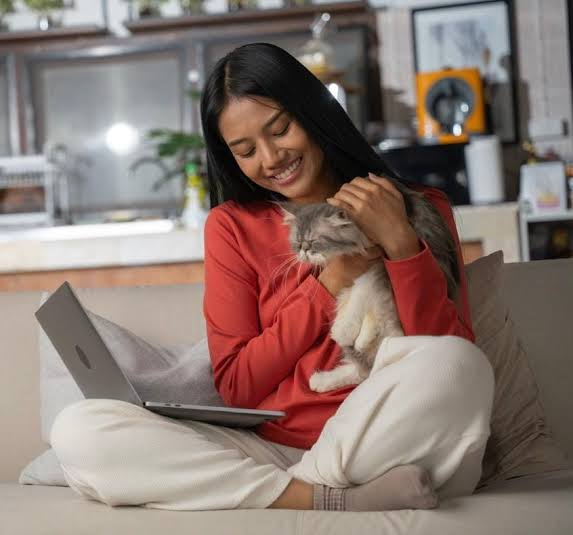
The concept of pet telemedicine involves using technology to connect pet owners with veterinary professionals without requiring every interaction to take place inside a physical clinic. Depending on local regulations and the veterinary practice, services may include video appointments, telephone consultations, secure messaging, follow-up discussions, and general healthcare guidance.
However, pet telemedicine is not intended to replace every aspect of traditional veterinary medicine. Animals sometimes require physical examinations, diagnostic testing, imaging, procedures, or urgent treatment that cannot be performed remotely. Understanding the benefits and limitations of virtual veterinary care can help pet owners use these services responsibly.
Can Pet Telemedicine Improve Access to Veterinary Care?
Pet telemedicine can make communication with veterinary professionals more convenient for many owners. Traveling to a veterinary clinic can sometimes be challenging because of distance, transportation limitations, busy schedules, or pets that become stressed during travel. A virtual veterinary consultation can allow an owner to discuss appropriate concerns from home.
During a pet telemedicine appointment, a veterinarian may ask about the animal's symptoms, behavior, appetite, activity level, medical history, current medications, and recent changes. Depending on the situation, an owner may also be able to share photographs or videos that help provide additional information.
The home environment can sometimes be useful during a virtual consultation. A veterinarian may observe an animal's general behavior in familiar surroundings, while an owner can explain changes that have occurred over several days. This can provide useful context, although it does not provide the same information as a hands-on examination.
Virtual veterinary care can also be helpful for follow-up communication. If a pet has already been examined by a veterinarian, certain questions about ongoing care may be suitable for an online appointment. This can reduce unnecessary travel when the veterinarian determines that a physical examination is not required.
Pet telemedicine can also support communication for owners who live in areas where veterinary clinics are not easily accessible. Digital services may provide an additional way to reach veterinary professionals, although the availability and scope of these services depend on local laws and veterinary regulations.
The growing interest in terms such as pet telemedicine, veterinary telemedicine, telehealth for pets, virtual veterinarian, online veterinary consultation, and virtual pet care reflects increasing awareness of digital healthcare options for companion animals.
Is Virtual Veterinary Care Suitable for Every Situation?
Pet telemedicine has important limitations. A veterinarian cannot physically examine an animal through a screen, and some conditions require diagnostic tools or hands-on assessment. A virtual consultation should therefore be considered an additional veterinary communication option rather than a complete replacement for traditional veterinary care.
Some health concerns may require an in-person examination before a veterinarian can determine an appropriate diagnosis or treatment plan. Laboratory testing, imaging, physical examination, wound assessment, and certain procedures cannot be completed through an ordinary video consultation.
Urgent situations also require appropriate professional attention. If an animal appears severely unwell, has serious breathing difficulties, experiences a significant injury, becomes unusually unresponsive, or shows another potentially serious symptom, pet owners should seek appropriate veterinary care promptly rather than relying solely on a remote consultation.
The rules surrounding pet telemedicine can also vary between regions. Some locations may require an established veterinarian-client-patient relationship before certain forms of remote veterinary care or prescription services can be provided. Veterinary practices should operate according to the applicable professional and legal requirements in their area.
Pet owners should therefore understand the specific services offered by a telemedicine provider. A reputable service should explain whether it provides general guidance, follow-up consultations, prescription-related services where legally permitted, or recommendations for in-person veterinary care.
Online information should not be confused with professional veterinary diagnosis. Searching for pet telemedicine or animal health information can help owners learn about available services, but internet searches cannot evaluate an individual animal in the same way as a qualified veterinary professional.
Can Pet Telemedicine Support Long-Term Animal Healthcare?
Pet telemedicine can be particularly useful as part of an ongoing healthcare relationship. Some pets require regular monitoring because of age, chronic health concerns, recovery from previous treatment, or other circumstances. When an in-person examination is not necessary, digital communication may make certain follow-up conversations more convenient.
For example, a veterinarian may use a virtual appointment to discuss an animal's progress after an earlier clinic visit. The owner can describe changes since the previous examination and ask questions about the existing care plan. The veterinarian can then determine whether remote follow-up is appropriate or whether the animal should return to the clinic.
Pet telemedicine can also support general discussions about nutrition, routine care, behavior, preventive healthcare, and other non-emergency topics. These conversations can help owners understand professional recommendations and become more informed about their animals' needs.
However, regular physical examinations remain an important part of veterinary healthcare. Even when an animal appears healthy, an in-person veterinary examination can provide information that is difficult to obtain remotely. Preventive care, vaccinations, dental assessments, diagnostic testing, and other services may require a physical visit.
Good preparation can make a virtual veterinary consultation more useful. Owners can have relevant veterinary records available and be prepared to describe changes in the animal's behavior, eating habits, activity, medications, and general condition. Clear photographs or videos may also be useful when a veterinarian requests them.
Communication is particularly important because remote veterinary consultations rely heavily on information provided by the pet owner. Accurate descriptions can help the veterinarian decide whether the concern can reasonably be addressed through telemedicine or requires an in-person appointment.
Can Pet Telemedicine Become Part of Modern Pet Care?
The development of pet telemedicine demonstrates how technology is expanding access to veterinary communication. Video platforms, secure messaging systems, digital records, and online appointment tools can make it easier for owners and veterinary professionals to stay connected.
For busy pet owners, a virtual veterinarian appointment can sometimes save travel time while still providing access to professional guidance. This can be particularly convenient for follow-up conversations or questions that do not appear to require immediate physical assessment.
Pet telemedicine may also help reduce stress for some animals. Traveling to an unfamiliar environment can be challenging for certain pets. Discussing appropriate concerns from home may allow the owner to communicate with the veterinarian while the animal remains in a familiar setting.
Nevertheless, convenience should not become a reason to delay necessary veterinary care. If a veterinarian recommends an in-person examination, owners should follow that recommendation. A virtual consultation is most effective when it is used within a broader veterinary healthcare plan.
The future of pet telemedicine may involve increasingly integrated digital systems. Improvements in video communication, electronic health records, remote monitoring technologies, and online veterinary platforms could make communication between pet owners and veterinary professionals even more efficient.
At the same time, professional veterinary judgment will remain essential. Technology can improve communication and access, but it does not eliminate the need for physical examinations and clinical assessment when they are required.
Conclusion
Pet telemedicine provides a modern way for pet owners to communicate with veterinary professionals through digital technology. Virtual veterinary consultations can offer convenience, reduce unnecessary travel, support follow-up discussions, and provide professional guidance for appropriate non-emergency concerns.
For owners researching pet telemedicine, veterinary telemedicine, telehealth for pets, or online veterinary consultations, it is important to understand both the benefits and limitations of remote care. Some situations can be discussed effectively through digital communication, while others require a physical examination, diagnostic testing, or immediate veterinary attention.


